


The main requirement for optimum fuel delivery is determined by the data supplied to the ECM from the mass air flow sensor. Other sensors and switches are used for the following measurements:
- coolant temperature;
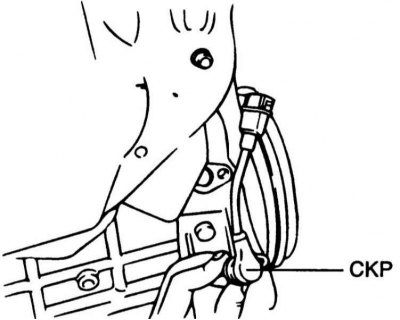
- engine crankshaft speed;
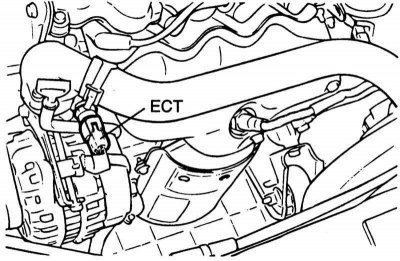
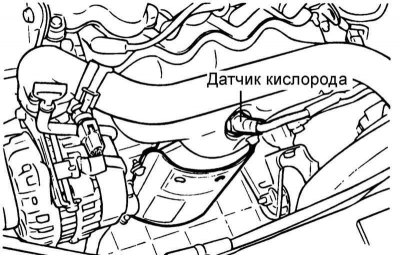
- oxygen content in exhaust gases;
- determining the position of the top dead center of the piston of the first cylinder in the compression stroke.
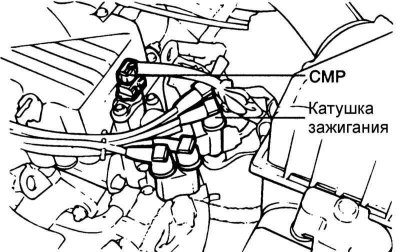
Location of exhaust gas toxicity control and reduction system components in the engine compartment of vehicles with 1.6 l and 1.8. 2.0 l engines
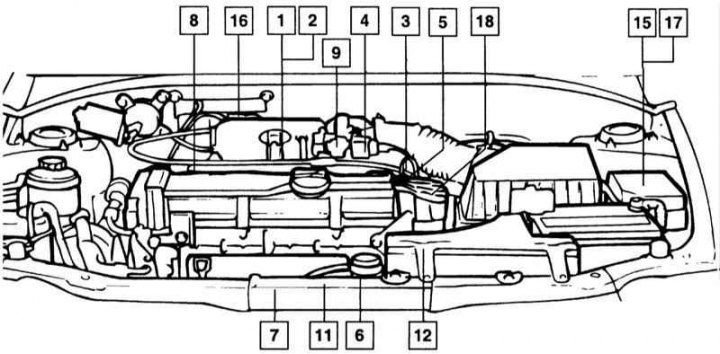
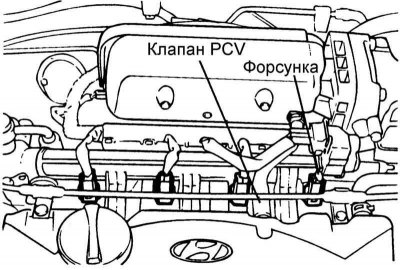
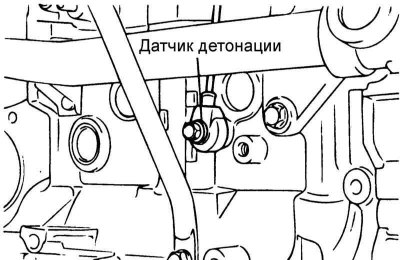
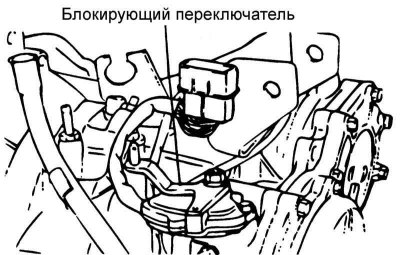
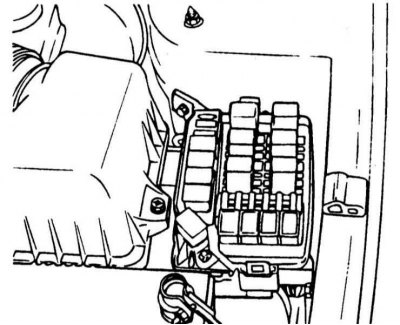
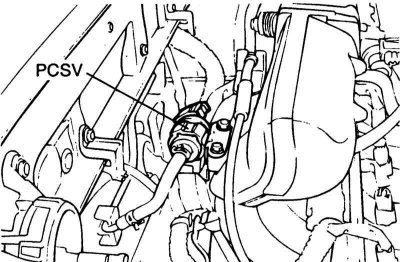
1 - manifold absolute pressure sensor (MAP); 2 - Intake air temperature sensor (IAT); 3 - coolant temperature sensor (ECT); 4 - Throttle Position Sensor (TPS); 5 - Camshaft Position Sensor (CMP); 6 - Crankshaft Position Sensor (CKP); 7 - heated oxygen sensor; 8 - injectors; 9 - Idle Speed Modulator (ISA); 11 - knock sensor; 12 - Locking switch; 15 - air conditioning compressor relay; 16 - Fuel Evaporative System Solenoid Valve (PCSV); 17 - control relay; 18 - ignition coil
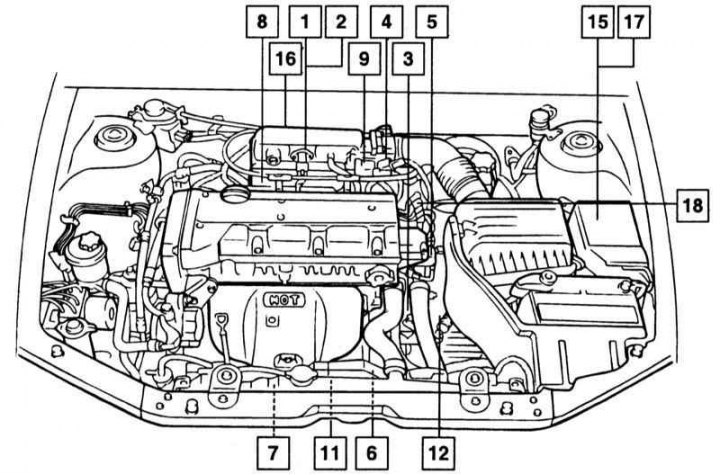
1 - manifold absolute pressure sensor (MAP); 2 - Intake air temperature sensor (IAT); 3 - coolant temperature sensor (ECT); 4 - Throttle Position Sensor (TPS); 5 - Camshaft Position Sensor (CMP); 6 - Crankshaft Position Sensor (CKP); 7 - heated oxygen sensor; 8 - injectors; 9 - Idle Speed Modulator (ISA); 11 - knock sensor; 12 - Locking switch; 15 - air conditioning compressor relay; 16 - Fuel Evaporative System Solenoid Valve (PCSV); 17 - control relay; 18 - ignition coil
Location of exhaust gas toxicity control and reduction system components in the vehicle interior
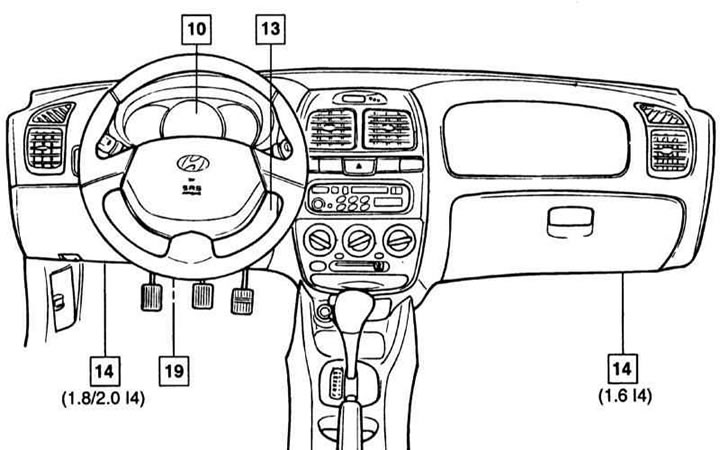
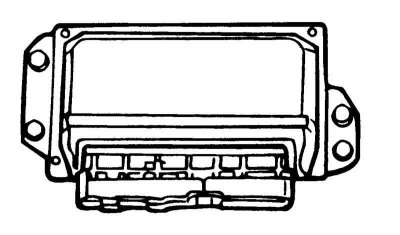
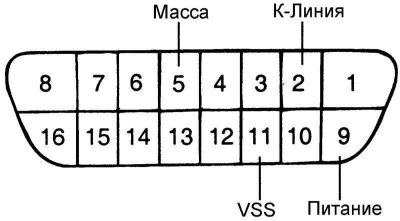
10 - Vehicle Speed Sensor (VSS); 13 - ignition switch; 14 - ECM; 19 - Diagnostic connector (DLC)
1, 2, 4, 9
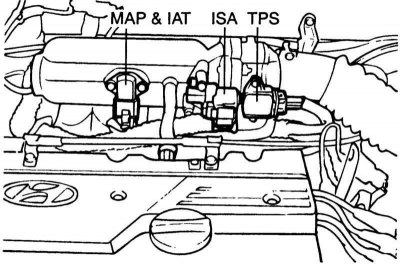
3
5, 18
6
7
8
11
12
14
15, 17
16
19
Various sensors and switches inform about any changes in operating conditions and send corresponding signals to the ECM. This allows the ECM to regulate the duration of the injector opening and maintain the optimum mode for reducing the toxicity of harmful substances in exhaust gases and the engine operating mode under various vehicle operating conditions.
To reduce emissions of harmful substances into the atmosphere along with exhaust gases, the following exhaust gas toxicity reduction systems are used:
- fuel vapor recovery system;
- crankcase ventilation system;
- exhaust gas recirculation system;
- catalytic converter.