HyundaiBook.ru
Repair Chevrolet Repair Honda Repair Toyota Repair Land Rover Repair VAZ Repair Renault Repair Nissan
English Русский
Български
Беларускі
Український
Српски
Hrvatski
Română
Polski
Slovenský
Magyar
ArticlesSitemapContacts  


  Accent   Elantra   Getz   Grandeur   Sonata   Santa Fe   Tucson   Others
Elantra 1 (1990-1995, petrol) Elantra 2 (1995-2000, petrol) Elantra 3 (2000-2006)
  • Main
  • Elantra

History and description of the Hyundai Elantra car

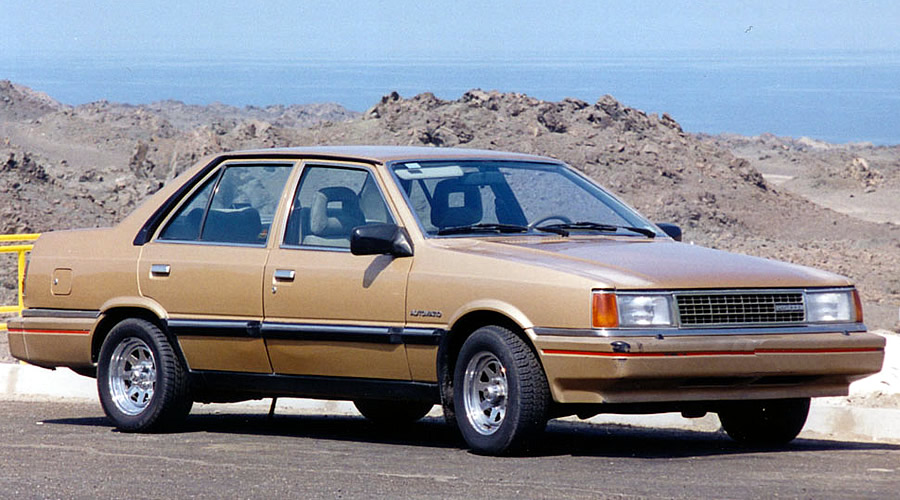
Hyundai Stellar 
Hyundai Stellar
Elantra — a compact family car of class "C" according to the European classification, produced by the South Korean company Hyundai since 1990. In South Korea, the car is called Avante. It replaced the outdated Hyundai Stellar model, the production of which ceased in 1997. From 2002 to 2017, about 2.5 million Elantra cars were sold in the United States.

The car has a classic engine layout for this class - transversely in the front with front-wheel drive. The engines were mostly economical 4-cylinder in-line engines. The body was made in the form of a sedan and a hatchback. Six generations of Elantra have been released over the years. The main competitors at the time of their introduction were Ford Sierra, Citroen Xantia and Opel Vectra, currently it is Citroen C4, Chevrolet Cruze, Ford Focus, Honda Civic, Mazda 3, Mitsubishi Lancer, Renault Fluence, Peugeot 301, Kia ceed, Lada Vesta, Opel Astra, Nissan Almera, SEAT Leon, Skoda Octavia, Suzuki Liana, Toyota Corolla and Toyota Auris.

First generation (J1, 1990-1995)
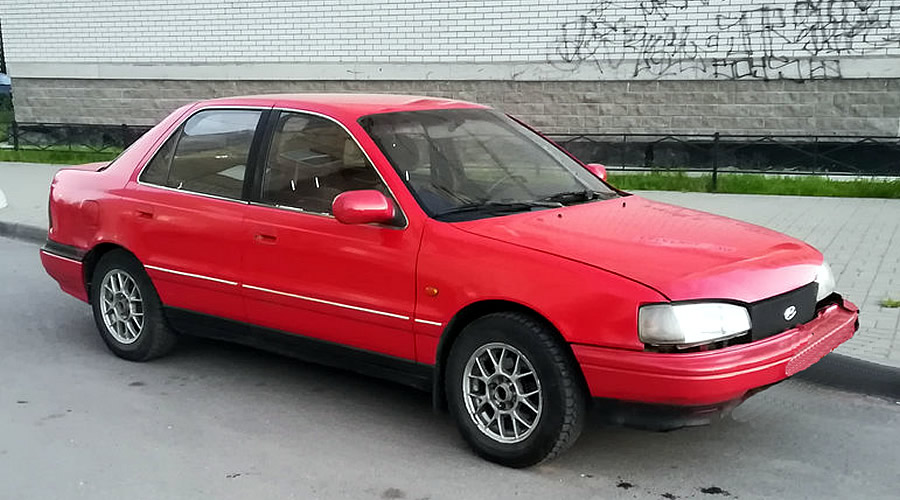


Hyundai Elantra I (J1) 
Hyundai Elantra I (J1)
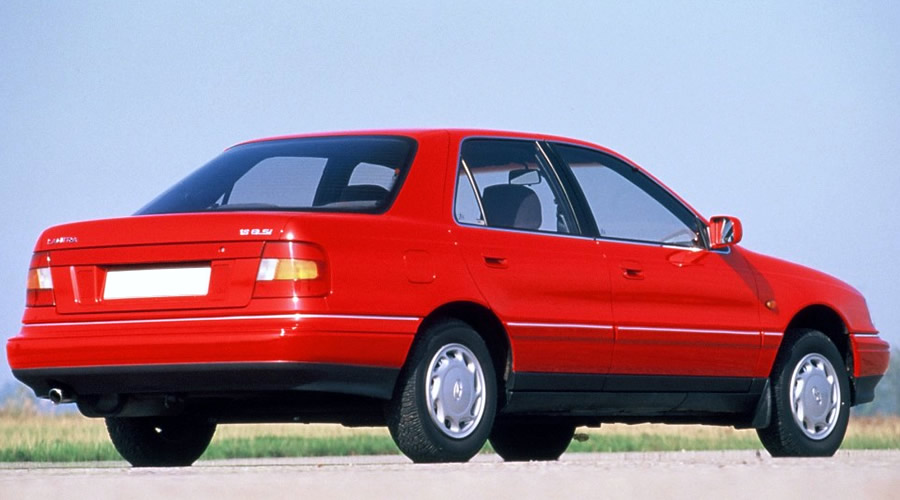
The first cars with the code name "J1" were released in October 1990. Assembly shops were located only in South Korea. The body was only in the form of a 4-door sedan. In 1992, 1993 and 1994 the car received a minor facelift, which affected the exterior and also added options such as ABS, airbags, fog lights, and electric side mirrors.


Hyundai Elantra I, back view 
Hyundai Elantra I, back view
The first generation of cars had only petrol 4-cylinder in-line engines with a capacity of 1.5, 1.6 and 1.8 liters and a power of 113 to 124 hp. Since Hyundai did not produce its own engines at that time, they initially installed 8-valve engines from Mitsubishi, and later began to produce 16-valve engines under license from Mitsubishi. There were two transmissions - a 5-speed manual or a 4-speed automatic.

Second generation (J2, 1995-2000)


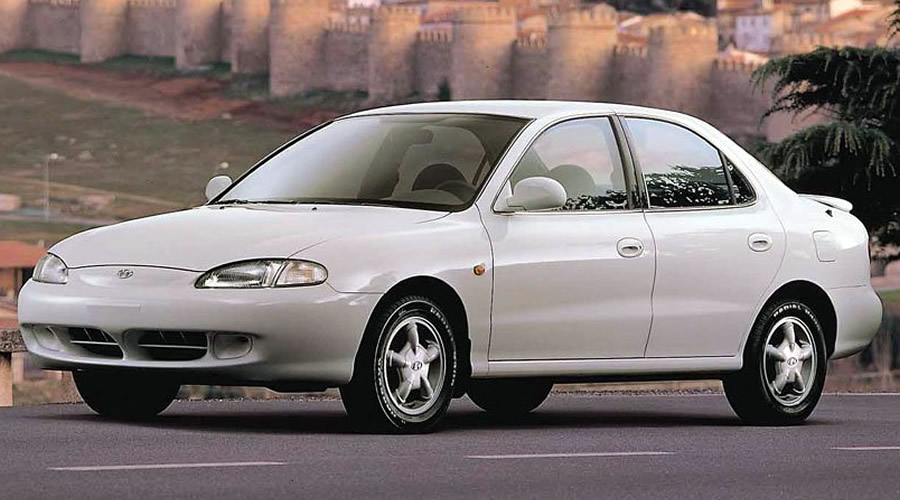
Hyundai Elantra II (J2) 
Hyundai Elantra II (J2)
In 1995, the next generation of Elantra, codenamed "J2" or "RD", was launched. The exterior lines of the car became more rounded, and the interior was also designed with a minimum of angles. The bumpers are painted to match the body color. The body was initially a 4-door sedan, and a year and a half later a 5-door station wagon appeared. Assembly facilities were located in Korea, Botswana and Indonesia.

The brakes are disc at the front and drum or disc at the rear. Rack and pinion steering with hydraulic booster. Independent suspension type McPherson.
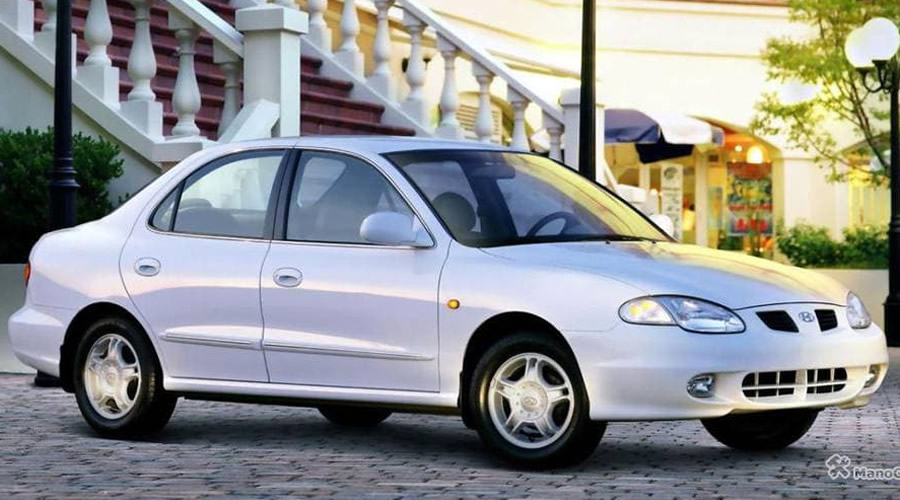
Hyundai Elantra II (J3) 
Hyundai Elantra II (J3)
The engine lineup looked like this. Petrol engines with volumes of 1.5, 1.6, 1.8 and 2.0 liters and power from 82 to 139 hp, all 4-cylinder in-line engines. Also in 1998, a naturally aspirated 1.9-liter diesel engine with 68 hp appeared. The transmission is a 4-speed automatic or 5-speed manual.

In 1998, there was a minor update of the second generation, which received the codes "J3" and "RD2". The shape of the headlights, taillights and bumpers was changed, and a molding was added to the side.

Third generation (XD, 2000-2006)
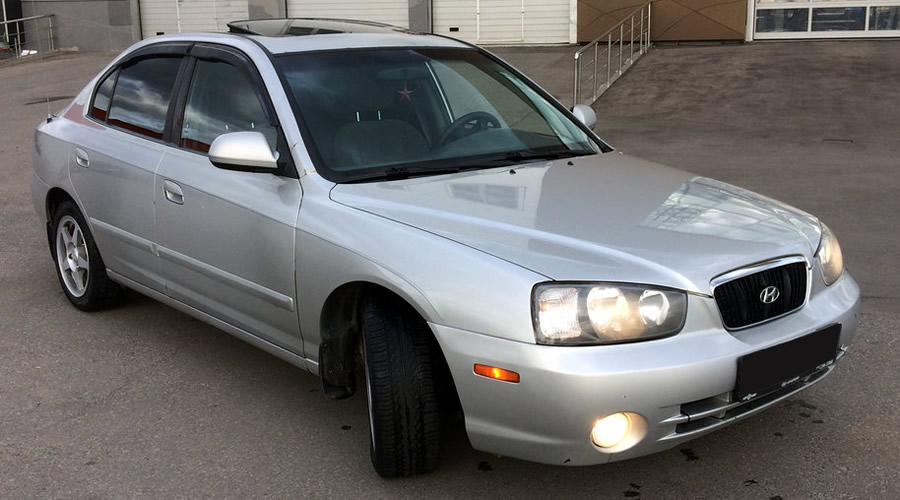


Hyundai Elantra III (XD) 
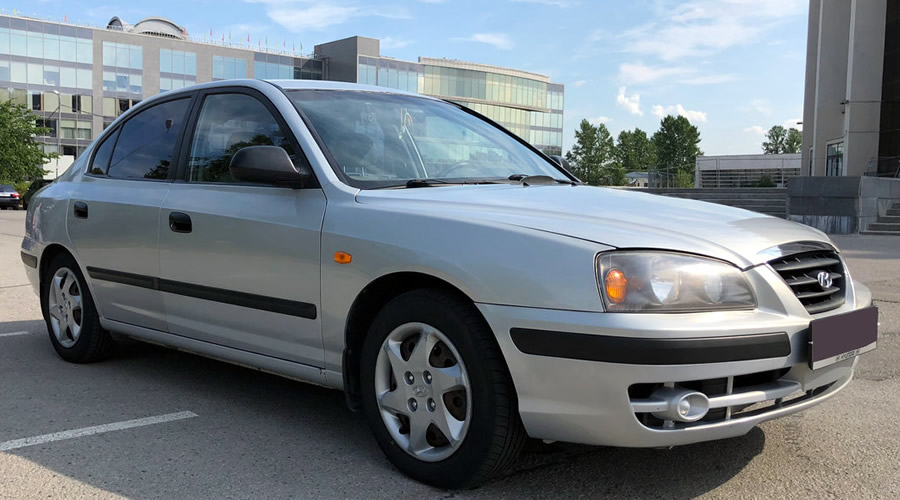
Hyundai Elantra III (XD)
This generation was presented to the public in 2000 under the code "XD". The station wagon body was replaced by a 5-door hatchback, and the traditional 4-door sedan also remained. There are two trim levels - "GLS" (standard) and "GT" (more expensive finishes and additional options). Standard equipment includes front airbags, air conditioning, central locking, electric windows and power steering. Production facilities were located in Iran, Korea, China, Malaysia, Russia, Taiwan and Ukraine.

Hyundai Elantra III (XD2) 
Hyundai Elantra III (XD2)
There were three petrol engines: 1.6, 1.8 and 2.0 litre, with power ranging from 103 to 140 hp. (Beta II, 4-cylinder, in-line). One 2.0-liter diesel engine with 112 hp. (D series, 4-cylinder, in-line, turbocharged). There are two gearboxes to choose from: a 5-speed manual and a 4-speed automatic.

In 2003, the car was given a facelift and given the code "XD2". The design of the external lights, radiator grille, both bumpers, trunk, hood and dashboard were changed.

Fourth generation (HD, 2007-2010)
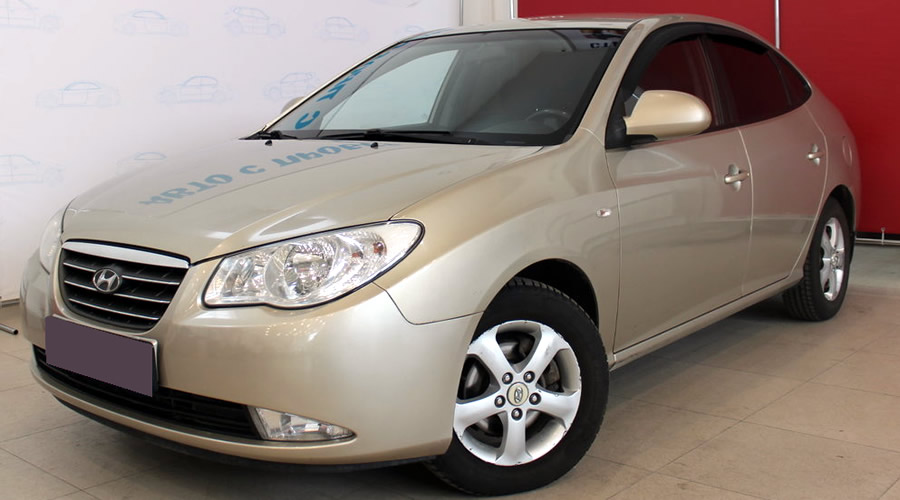


Hyundai Elantra IV (HD) 
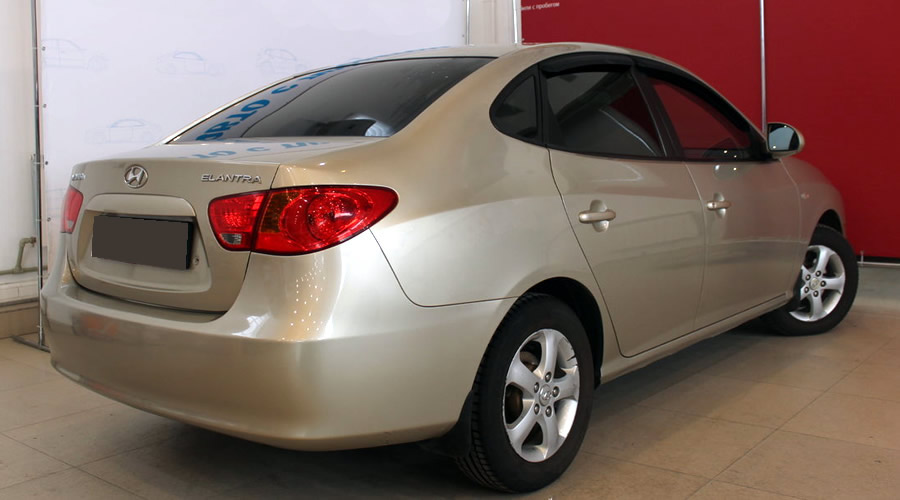
Hyundai Elantra IV (HD)
The fourth generation Elantra (code HD) was presented at the New York International Auto Show in April 2006, and official sales began at the end of that year. According to the American organization "Insurance Institute for Highway Safety" (IIHS), the car received a good overall score for frontal impact and a minor overall score for side impact. After November 2009, Hyundai improved and received a good overall score in side impact.

Hyundai Elantra IV, back view 
Hyundai Elantra IV, back view
The engine range included two petrol engines with a capacity of 1.6 (Gamma) and 2.0 (Beta II) litres and a power of 122 and 143 hp. (4-cylinder in-line engines), as well as one 1.6-liter diesel engine with 115 hp. (U-Line, 4-cylinder in-line, turbocharged). The gearbox is traditionally a 4-speed automatic or 5-speed manual.

Fifth generation (MD/UD, 2011-2015)


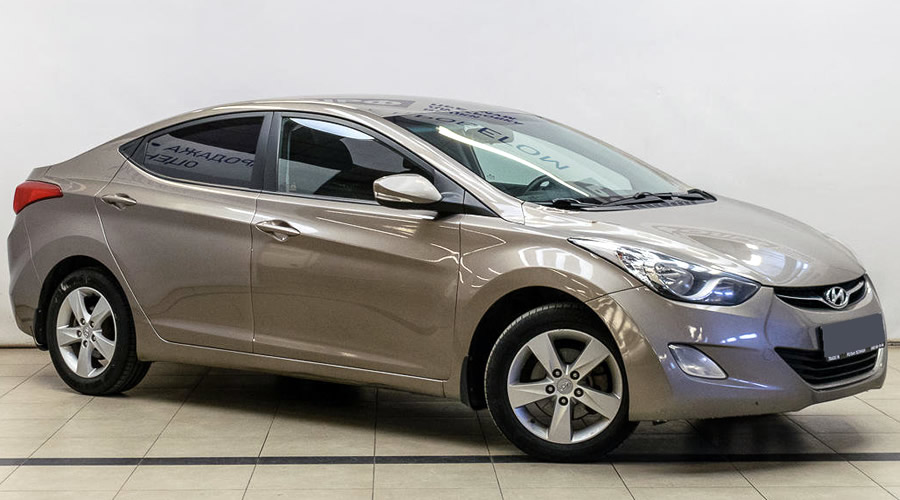
Hyundai Elantra V (MD) 
Hyundai Elantra V (MD)
This generation of Elantra was introduced in May 2010 at the Busan International Motor Show. The car went on sale in August 2010 as a 2011 model year. The code name was "MD", for the US the code was "UD". The body was in the form of a 4-door sedan and a small part of 2-door coupes with the code "JK". Assembly shops were located in Algeria, India, Korea, China, the US, Russia and Taiwan.

In 2012, the Elantra won the North American Car of the Year award at the Detroit Auto Show, beating out Ford Focus and Volkswagen Passat. In 2014, the car underwent a fairly major restyling.
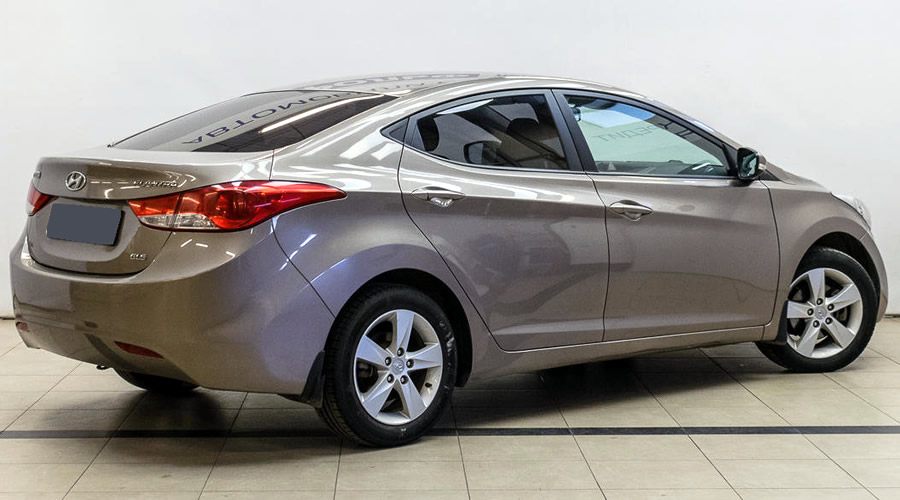
Hyundai Elantra V, back view 
Hyundai Elantra V, back view
The engine lineup includes 1.6 (Gamma) and 1.8 liter (Nu) petrol engines with 132 and 150 hp, all 4-cylinder in-line engines, the Nu engine block is made of aluminum instead of cast iron. Two-liter engines were installed on cars with coupe bodies. There was one diesel engine with a volume of 1.6 liters (CRDi) and a power of 115 hp. There were two gearboxes - 6-speed automatic or manual.

The car has become even more economical thanks to modern engines and a low air resistance coefficient of 0.28.

Sixth generation (AD, 2016–present)
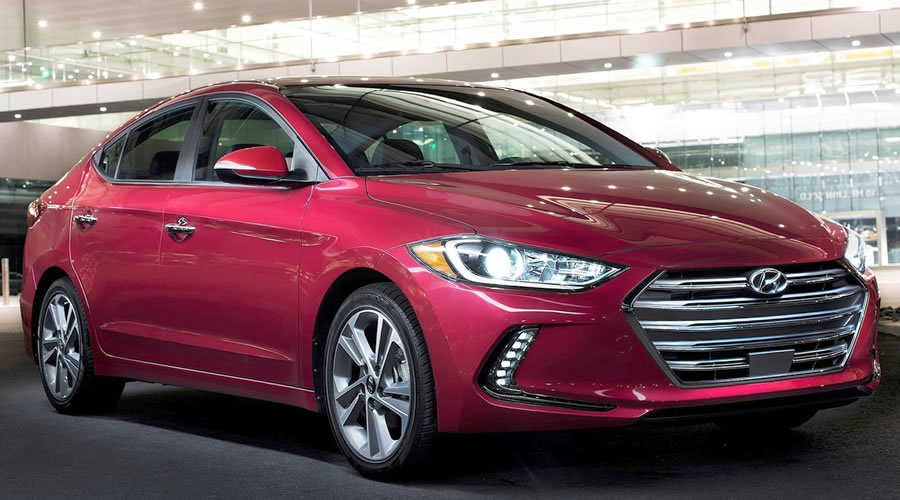


Hyundai Elantra VI (AD) 
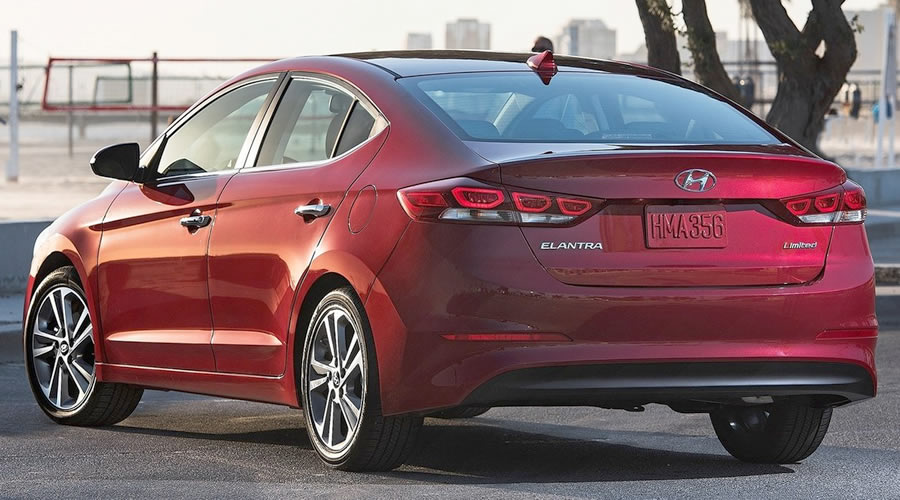
Hyundai Elantra VI (AD)
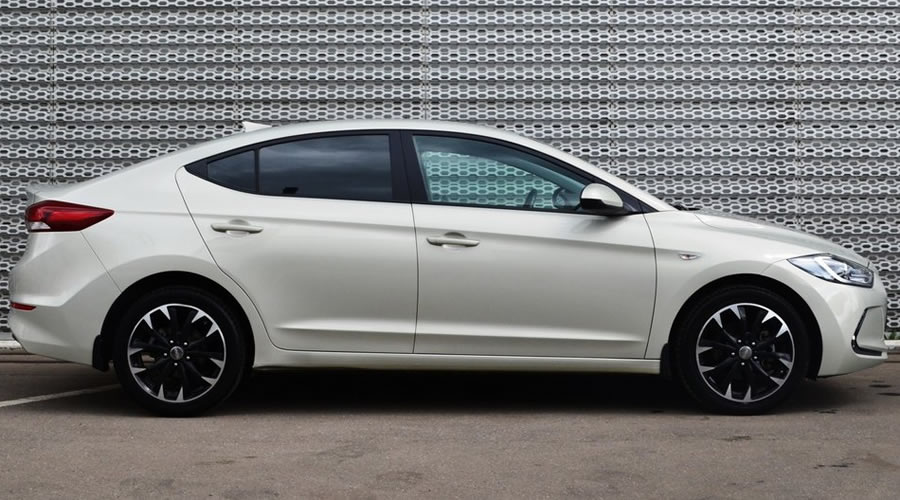
In February 2016, the sixth generation, codenamed "AD", was announced as a 2017 model. The body style is only available as a 4-door sedan. The design has become more conservative, the appearance has become similar to a fastback (slanted back). There are two trim levels, SE and Limited. For 2017, steering wheel-mounted audio controls became standard on all trim levels. Assembly shops are located in India, Iran, China, Korea, Russia, the USA and Taiwan.

Hyundai Elantra VI, back view 
Hyundai Elantra VI, back view
The range of petrol engines has expanded and includes volumes (models) 1.4 (Kappa, turbocharged), 1.6 (Gamma), 1.6 (Gamma G4FJ) and 2.0 (Nu) liters with power from 128 to 154 hp, all 4-cylinder in-line engines. Diesel engine one 1.6 liter (U2, turbocharged) with a capacity of 134 hp. There are three gearbox options - 6-speed automatic or manual, as well as a 7-speed automatic with two clutches (DCT).

Hyundai Elantra VI, side view 
Hyundai Elantra VI, side view
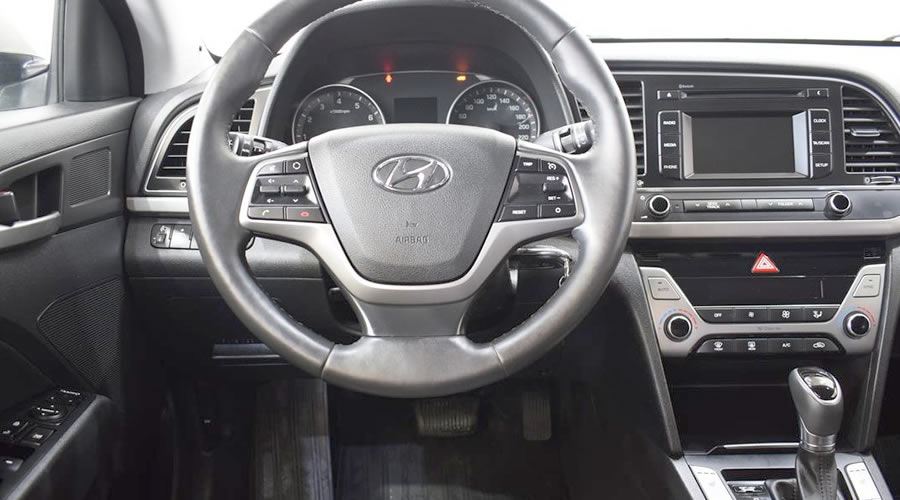
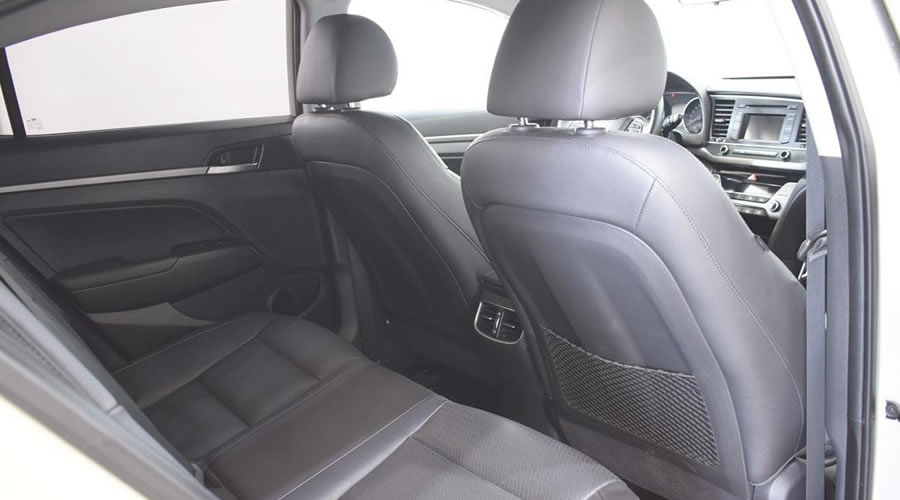
Hyundai Elantra VI, driver's seat 
Hyundai Elantra VI, driver's seat
Hyundai Elantra VI, salon 
Hyundai Elantra VI, salon
Add to social network:
Link in different formats to this article
TextHTMLBB Code
Elantra 3 (2000-2006) 
  • User manual
  • Control devices
  • Audio system
  • Starting the engine and driving
  • Faults en route
  • Maintenance and care
  • Technical information
  • Power unit
  • Gasoline engines
  • Diesel engines
  • Lubrication system
  • Cooling system
  • Fuel system (gasoline)
  • Fuel system (diesel)
  • Decreased toxicity
  • Ignition system
  • Transmission
  • Clutch
  • Mechanical gearbox
  • Automatic gearbox
  • Drive shafts and axles
  • Chassis
  • Car suspension
  • Steering
  • Brake system
  • Body
  • Exterior (external elements)
  • Interior (internal elements)
  • Air conditioning system
  • Electrical equipment
  • Equipment and devices
  • Headlights and lighting
  • Power devices
  • Electrical circuits
Elantra 2 (1995-2000, petrol) 
  • General information
  • Maintenance
  • Power unit
  • Engine repair
  • Cooling system
  • Intake and exhaust system
  • Fuel system
  • Transmission
  • Clutch
  • Manual gearbox
  • Automatic gearbox
  • Drive shafts and axles
  • Chassis
  • Front suspension
  • Rear suspension
  • Steering
  • Brake system
  • Body
  • Body elements
  • Electrical equipment
  • Equipment and devices
  • Electrical diagrams
Elantra 1 (1990-1995, petrol) 
  • General information
  • Introduction to the guide
  • Maintenance
  • Power unit
  • Minor engine repair
  • Engine overhaul
  • Lubrication system
  • Cooling system
  • Fuel injection system
  • Ignition system
  • Exhaust system
  • Transmission
  • Clutch
  • Manual gearbox
  • Automatic gearbox
  • Drive shafts
  • Chassis
  • Front suspension
  • Rear suspension
  • Steering
  • Wheels and tires
  • Troubleshooting
  • Brake system
  • Body
  • Body elements
  • Electrical equipment
  • Equipment and devices
  • Power devices
  • Heating and air conditioning
  • Electrical circuits
HyundaiBook.ru © 2018-2026 · Mobile version · Sitemap: EN BG BY UA RS HR RO PL SK HU · Administration · Site search · Hyundai owners Accent 1 · Accent 2 · Accent 3 · Elantra 1 · Elantra 2 · Elantra 3 · Getz · Sonata 3 · Sonata 4 · Santa Fe 2 · Tucson 1 · Tucson 2 · Matrix ·