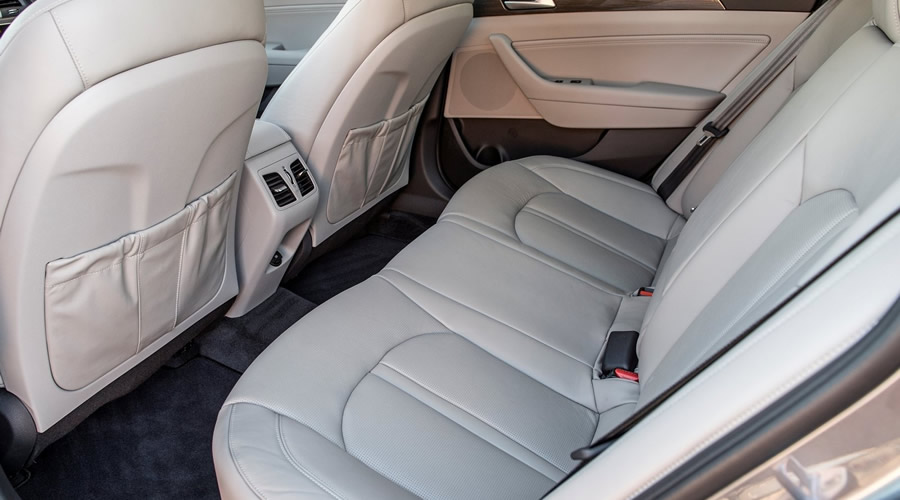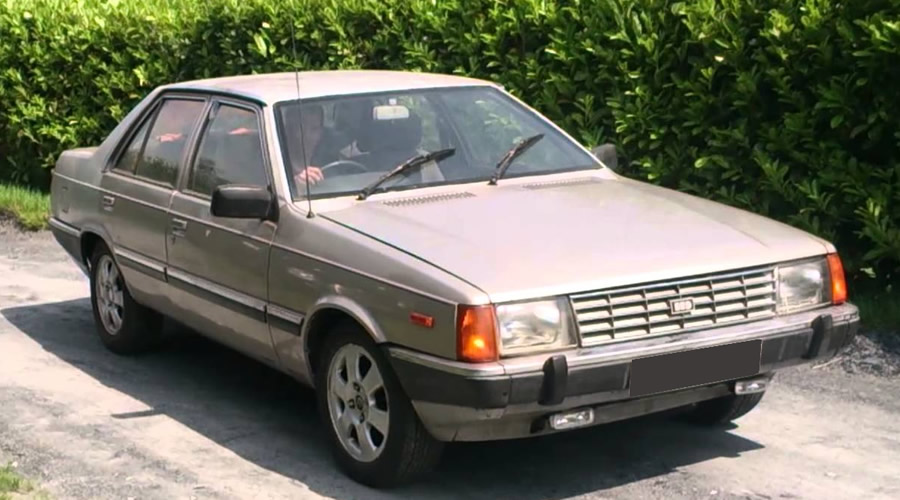
The Sonata was produced only in a sedan body and is positioned as a large family car, but some also classify it as a business class, although Hyundai has a model in this segment Grandeur. In North America, about 3 million vehicles have been sold to date as of early 2018. Currently, the most important competitors are cars Audi A4, Citroen C5, Ford Mondeo, Honda Accord, Infiniti Q50, Kia Optima, Mazda 6, Mitsubishi Galant, Nissan Maxima, Renault Laguna, Skoda Superb, Suzuki Kizashi, Toyota Camry and Volkswagen Passat.
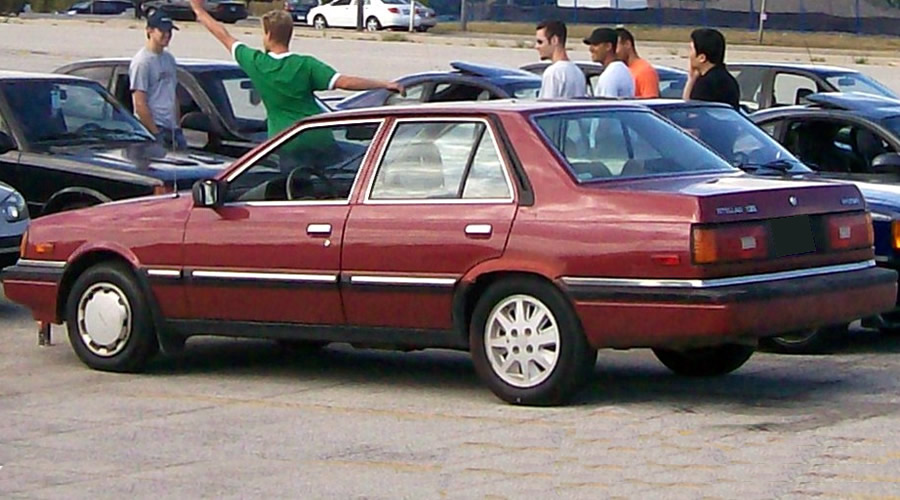
First generation (Y, 1985—1987)
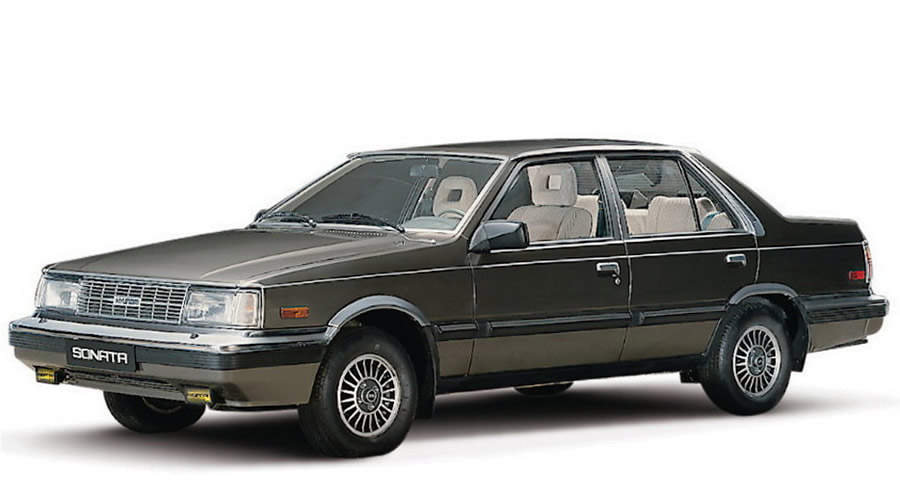
The first cars were released to conquer the market segment in South Korea, which was firmly captured by Daewoo Royale and was built using the main components and technologies of Stellar. The code name was assigned "Y". It was produced for only two years due to the faulty concept of rear-wheel drive. It was available with two trim levels - Luxury and Super. The basic options of the car included cruise control, electric seats, headlight washers, electric side mirrors, brake booster.
Initially, only petrol models of the following modifications were installed: 1.6 liters (Mitsubishi Saturn, 4G32, I4, SOHC) 110 hp or 1.8 and 2.0 liters (Mitsubishi Sirius, 4G62/4G63, I4, SOHC) with a capacity of 98 and 120 hp. In 1987, injection modifications were available. There are two gearboxes - a 4-speed automatic or a 5-speed manual.
In 1988, the Stellar 88 model was released for the celebration of the Summer Olympics in Seoul. After this, Hyundai stopped producing the Stellar series and replaced it with the Sonata series.
Second generation (Y2, 1988—1993)
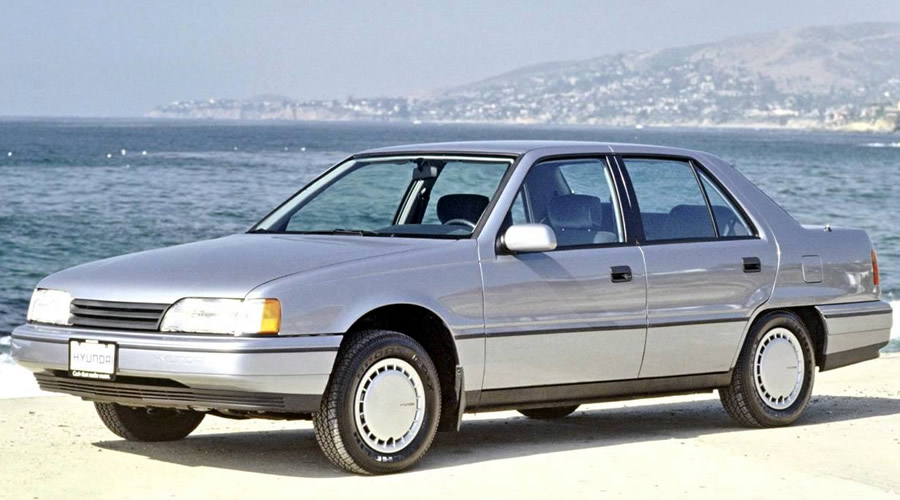
On June 1, the second generation of Sonata, codenamed "Y2", went on sale in South Korea. The car was launched in North America in the second half of 1988, and in Europe in June 1989. The design was developed by the Italian company ItalDesign by designer Giorgio Giugiaro, and the technical part was developed by Hyundai. With this modification, this car became front-wheel drive. It was assembled on the Mitsubishi Galant Σ platform. Production facilities were located in Korea and Canada.
This car has not yet been equipped with airbags, but some top-end trim levels had an ABS system.
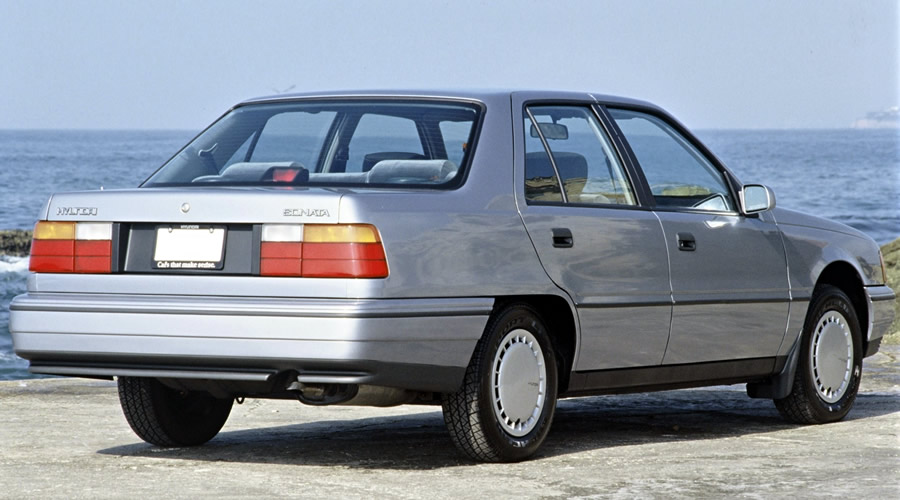
Engines were still installed only petrol, developed by Mitsubishi and manufactured by Hyundai under license. The following volumes and models - 1.8 liters (G4CM I4, SOHC) 95 hp, 2.0 liter (G4CP, I4, SOHC) 102 hp, 2.0 liter (G4CPD, I4, SOHC) 131 hp, 2.4 liters (G4CS, I4, SOHC) with a capacity of 114 hp, as well as a 3-liter V-shaped 6-cylinder engine (G6AT) with a capacity of 146 hp. Torque was transmitted to the wheels through a 4-speed automatic or 5-speed manual gearbox.
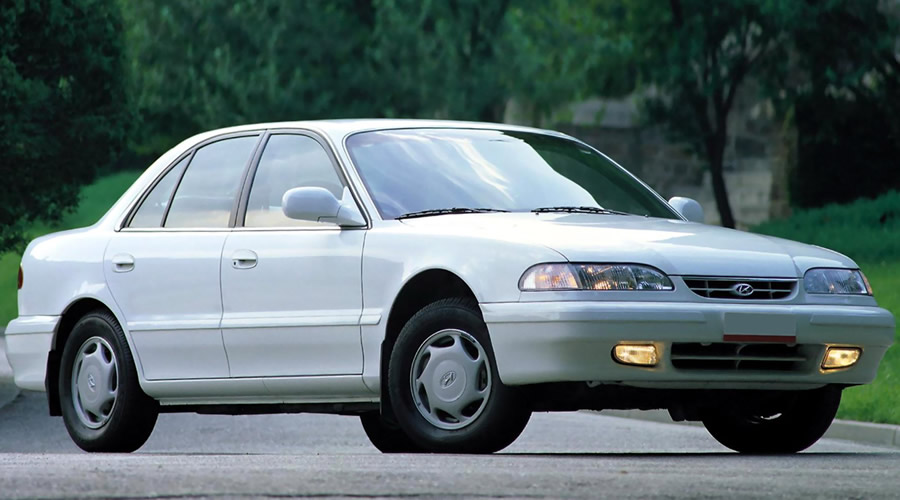
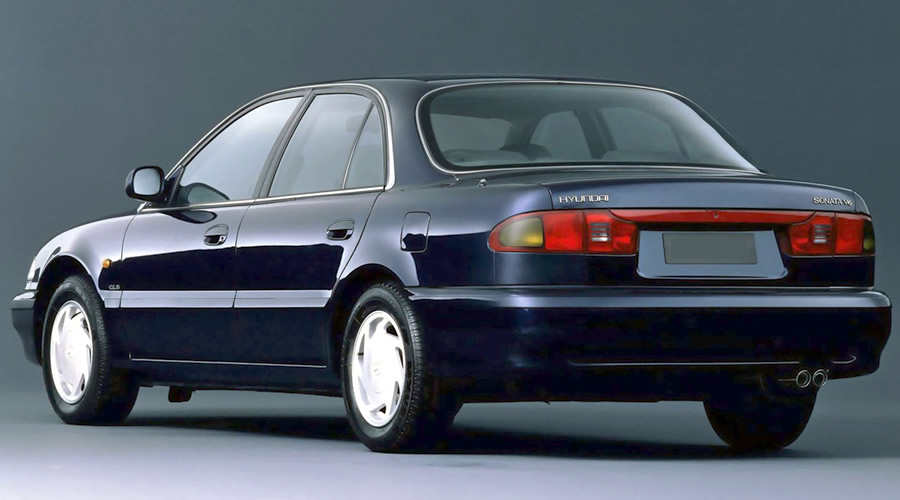
Third generation (Y3, 1993—1998)
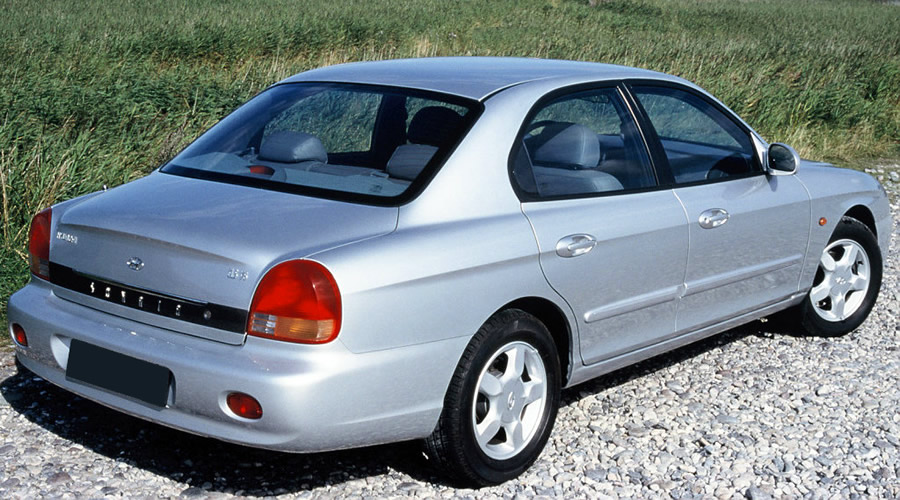
The further development of the Sonata received the code name "Y3". In South Korea, the car was called Marcia, in Italy - Sonica. Due to the closure of the plant in Canada in September 1993, all cars were assembled only in Korea until 2002. This car is based on the Hyundai-Kia Y3 platform. In 1996, a facelift was carried out, which led to a change in the front and rear parts of the exterior, and also increased the power of the 4-cylinder engine to 123 hp.
The engines are only petrol Mitsubishi developments, manufactured under license from Hyundai with the following characteristics: 1.8 liters (I4) with a capacity of 98 hp, 2.0 liters (I4) with a capacity of 110 hp (123 hp after 1996), and 3.0 liters (V6) with a capacity of 142 hp. There are traditionally two transmission options: a 4-speed automatic and a 5-speed manual.
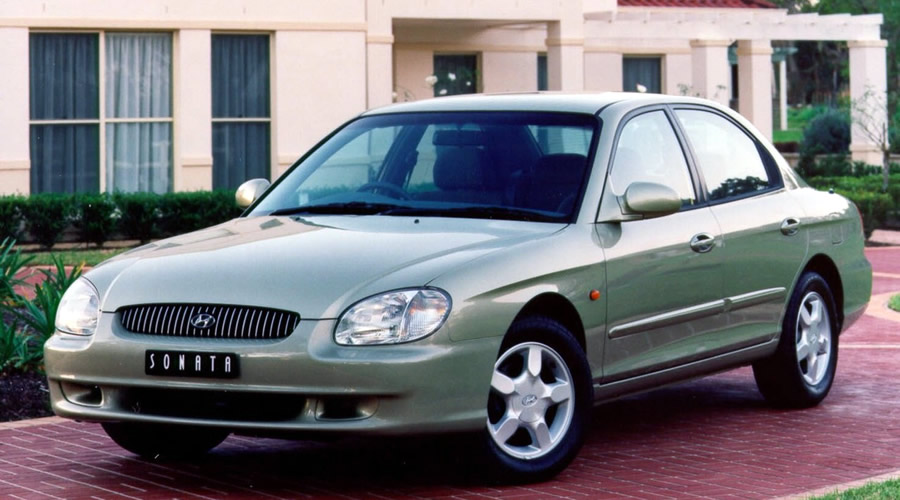
Fourth generation (EF, 1998—2004)
In August 1998, the next generation was released with the code "EF". The car was assembled on the Hyundai-Kia Y4 platform, which also served as the basis for the first compact crossover Hyundai Santa Fe. Also launched into production on this platform Kia Optima, which has the same base, glass and doors, differing only in the outer body panels and interior. The car was assembled in Korea, China, Botswana, Egypt and Russia. In North America, the Sonata was sold with a long 10-year warranty.
The engines were only petrol, 2.0 liters (G4GC I4) 136 hp, 2.4 liters (Sirius I4) with a capacity of 138 hp. After the facelift of 2001, new 6-cylinder V-shaped engines with a volume of 2.5 and 2.7 liters appeared (Delta, DOHC), made entirely of aluminum, with a capacity of 168 and 172 hp. On the Chinese market, the car is available only with 1.8 or 2.0 liter engines. Torque was transmitted via a 4-speed automatic or 5-speed manual transmission.
In 2001, the car underwent a facelift, which gave it a new "EF-B" code, updated front and rear exterior, and the rear license plate moved from the bumper to the trunk lid.
Fifth generation (NF, 2004—2009)
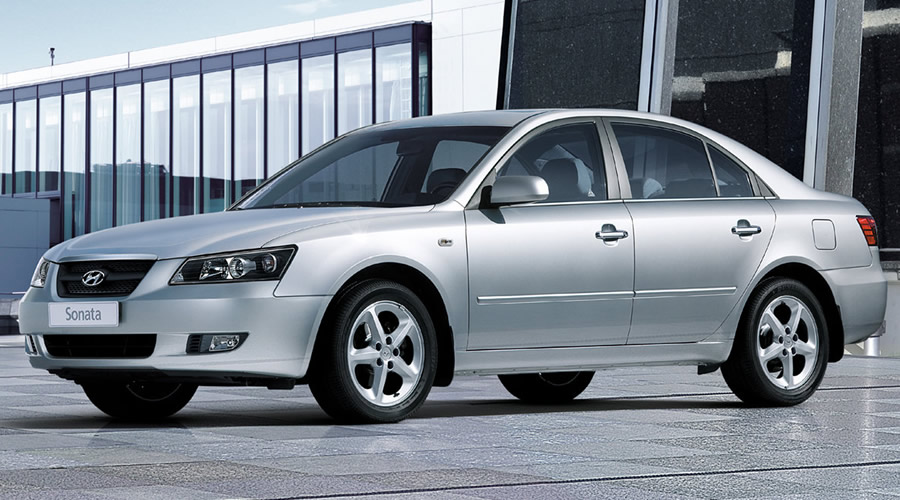
This generation was launched in August 2004 in South Korea under the code name "NF". Based on the Hyundai-Kia Y5 platform. In some countries it is called Hyundai NF, as well as other names. The launch of this model coincided with the launch of a plant in the United States, and production was also carried out in China. Assembly shops were also in Egypt, India, Korea, Sudan, Thailand and Turkey.
The basic equipment included ABS, electronic stability control, traction control, and six airbags (front and side airbags for the driver and front passenger, and side curtains).
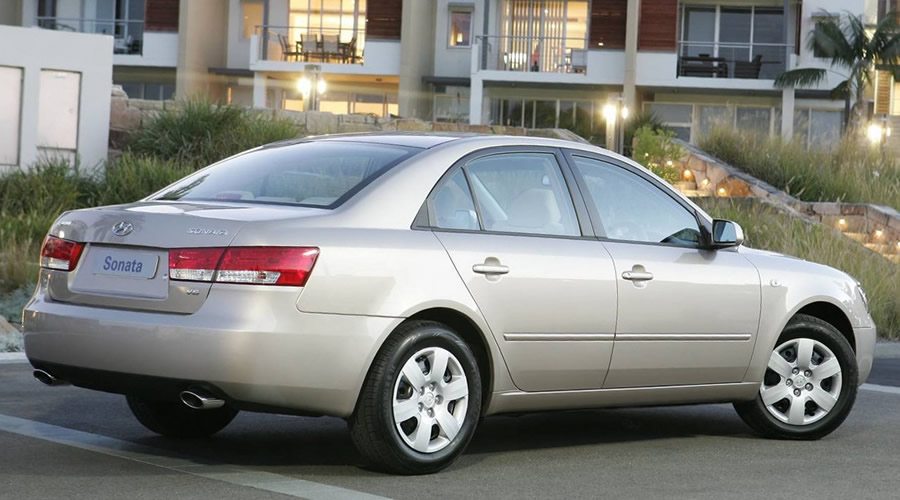
The 4-cylinder petrol engines were completely new, all-aluminium, called Theta, with a volume of 2.0 and 2.4 litres and a power of 164 and 179 hp. The 6-cylinder V-shaped engine remained (Lambda, DOHC CVVT) 3.3 liters with 233 hp. For the first time, Sonata was equipped with 2.0 liter diesel engines (CRDi) with 140 hp, which were available in Europe, New Zealand and Singapore, where they competed with taxis based on Toyota Comfort. There are four transmission options - 4- and 5-speed automatics or 5- and 6-speed manuals.
In 2008, the model was restyled and presented at the Chicago Auto Show. The front and grille, rear lights and headlights, instrument panel were changed, and the engine line was updated.
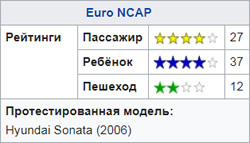
- Frontal Rating (Driver) - 5/5 Stars
- Frontal Rating (Passenger) - 5/5 Stars
- Side Rating (Driver) - 5/5 stars
- Side Rating (Passenger) - 5/5 stars
- Car Flip - 4/5 Stars
Sixth generation (YF, 2009—2014)
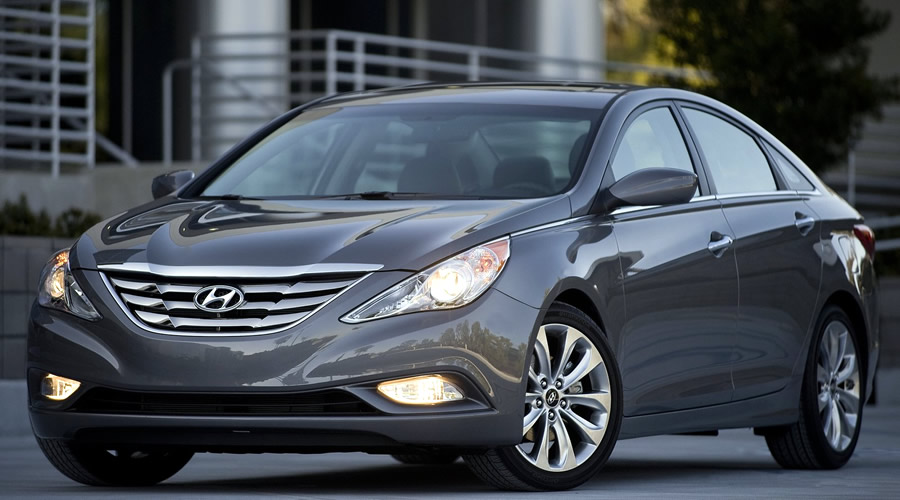
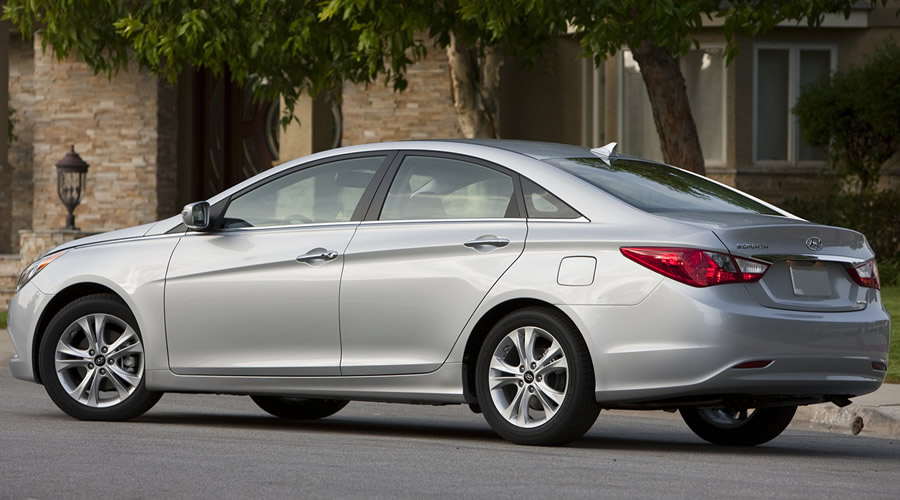
The development of the sixth generation began in 2005 and $370 million was spent on it. Sales of the Sonata "YF" began in September 2009. In some countries, the car is called the Hyundai i45. This model was shown at the Los Angeles Auto Show that year, and sales in the United States began in 2010. The following trim levels were available: GLS, SE and Limited. Production facilities were located in Indonesia, China, Malaysia, the United States and South Korea.
The engine lineup includes only petrol engines with the following characteristics: 2.0 liters (Nu MPi, CVVL I4, 164 hp), 2.0 liters (Theta I4, 163 hp), 2.0 liters (Theta Turbo GDi I4, 274 hp), 2.4 liters (Theta II I4, 176 hp) and 2.4 liters (Theta GDi I4, 200 hp). All engines are 4-cylinder in-line. There were two types of transmission, both 6-speed automatic or manual.
In 2012, a restyling was carried out, which affected the radiator grille, LED indicators, fog lights, daytime running lights, taillights and wheel rims.
In the United States, the sixth Sonata received a Top Safety Pick award from the Insurance Institute for Highway Safety (IIHS). The ratings were as follows:
- Frontal Strike - "Good"
- Side Kick - "Good"
- Rear Impact Protection - "Good"
- Roof Strength Rating: "Good"
The National Highway Traffic Safety Administration (NHTSA) gave the car 5 out of 5 stars in its overall rating. Australia's NCAP gave it the highest possible rating of 5 stars. Korea's NCAP gave it the highest rating for frontal and side impacts. China's NCAP also gave it the highest rating of 6 stars.
Seventh generation (LF, 2015–present)
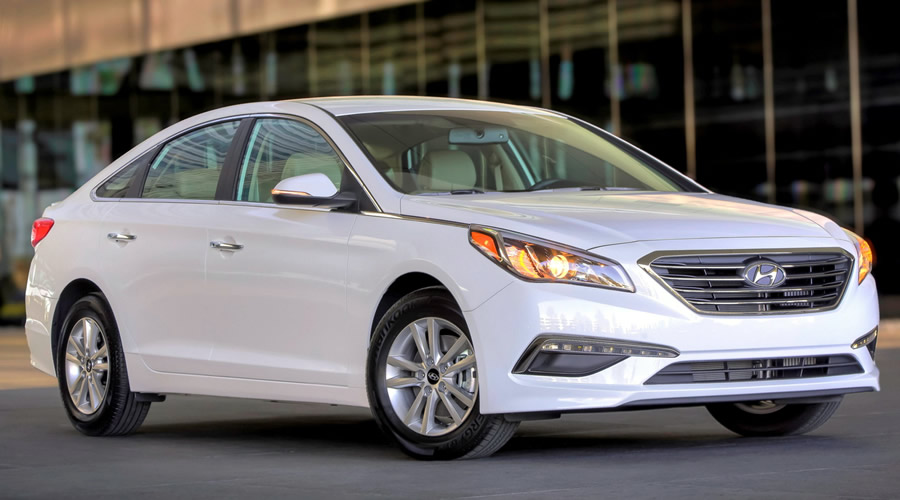
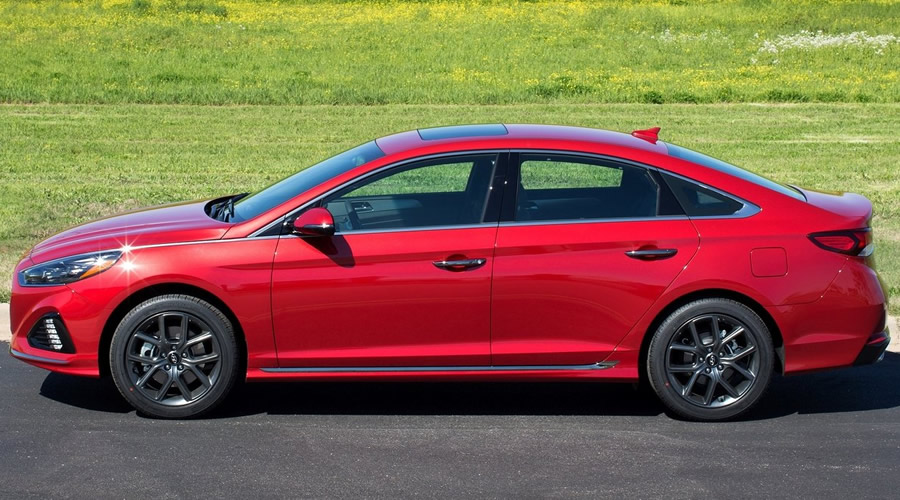
The seventh Sonata was presented in South Korea at the end of March 2014, and a little later in America at the International Auto Show. In the USA, the car was in greater demand than in its homeland. In addition to Korea, the car was assembled in China, Korea, Russia and the USA.
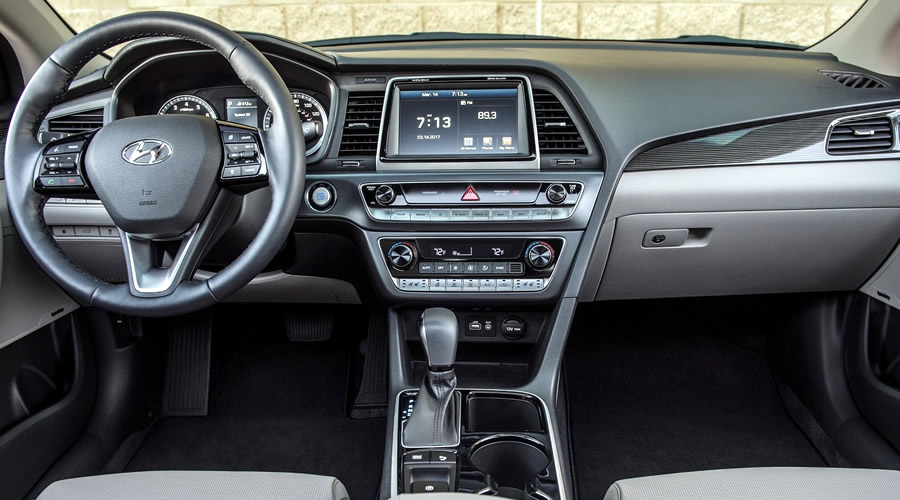
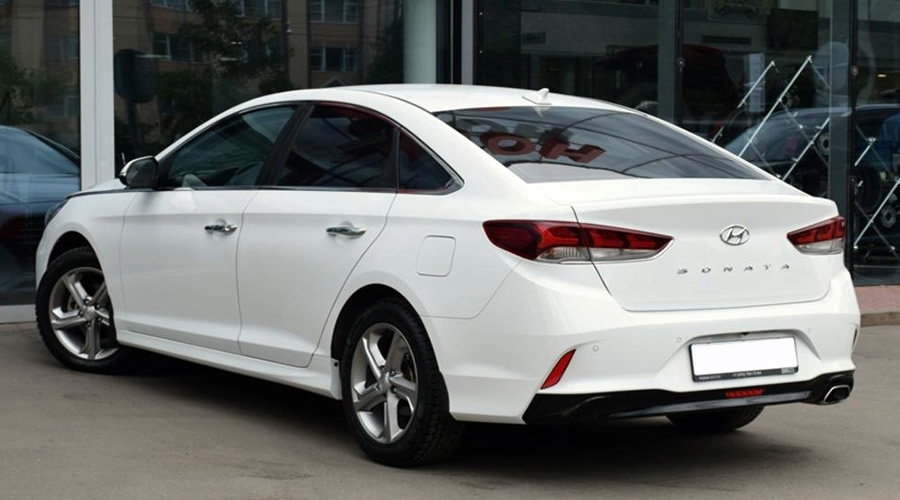
In March 2017, the car underwent a major update. The exterior was significantly changed. The headlights, taillights, radiator grille and LED lighting were redesigned. The front part became similar to Grandeur/Azera sixth generation. The interior was also redesigned, with a new instrument cluster, air vents, steering wheel, gearshift, and a larger touchscreen. In 2018, a mid-level SEL trim level was added, in addition to the existing SE and Eco.
The range of petrol 4-cylinder in-line engines includes the following models: 1.6 liter (G4FJ, Gamma T-GDI I4, turbocharged) with a capacity of 177 hp, 2.0 liter (Nu MPI I4) 154 hp, 2.0 liter (Theta I4, turbocharged) 245 hp, 2.4 liter (Theta MPI I4) with a capacity of 171 hp and 2.4 liters (Theta GDI I4) 178 hp Diesel engine of one modification with a volume of 1.7 liters (D4FD, U2 I4, turbocharged) with a capacity of 139 hp Four gearbox options - 6- and 8-speed automatic, 7-speed robotic gearbox with dual clutch or 6-speed manual.