HyundaiBook.ru
Repair Chevrolet Repair Honda Repair Toyota Repair Land Rover Repair VAZ Repair Renault Repair Nissan
English Русский
Български
Беларускі
Український
Српски
Hrvatski
Română
Polski
Slovenský
Magyar
ArticlesSitemapContactsSearch:  


  Accent   Elantra   Getz   Grandeur   Sonata   Santa Fe   Tucson   Others
Accent 1 (1994-1999) Accent 2 (1999-2005) Accent 3 (2005-2010)
  • Main
  • Accent

History and description of the Hyundai Accent car

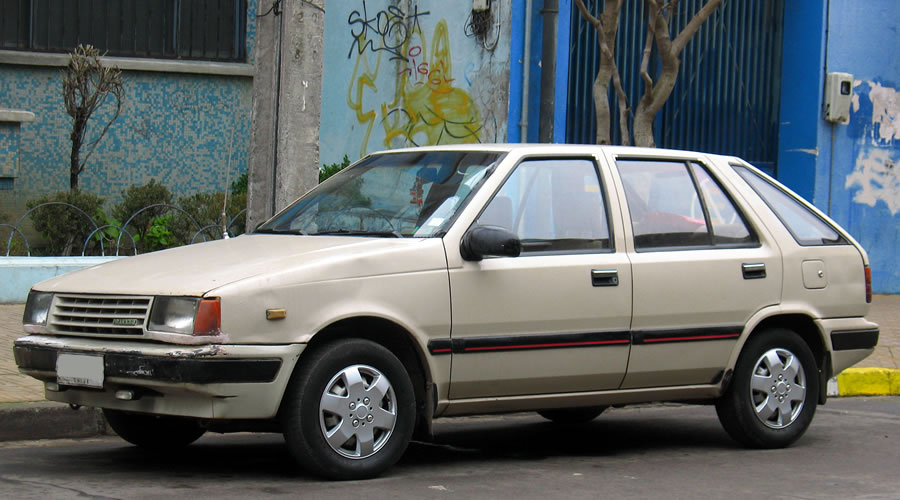
Hyundai Excel 
Hyundai Excel
Accent - compact car (B-class) south Korean company Hyundai (in some countries - Verna, in Russia - Solaris), which has been produced since 1994 to the present. The car has a front-wheel drive with a front transverse engine and a sedan or hatchback body type. It replaced the outdated Excel model. During this time, the car has undergone five updates. Accent production plants are located in India, Iran, Kazakhstan, Pakistan, Russia (Taganrog), Turkey, Ukraine and South Korea. In Russia, Solaris is produced at a plant in St. Petersburg. The car's closest competitors are Daewoo Nexia, Ford Fiesta, Honda Fit, Kia Rio, LADA Granta, Mitsubishi Colt, Opel Corsa, Renault Logan, Nissan Note, Skoda Fabia, Suzuki Swift, Volkswagen Polo, Toyota Yaris and SEAT Ibiza.

First generation (X3, 1994—1999)


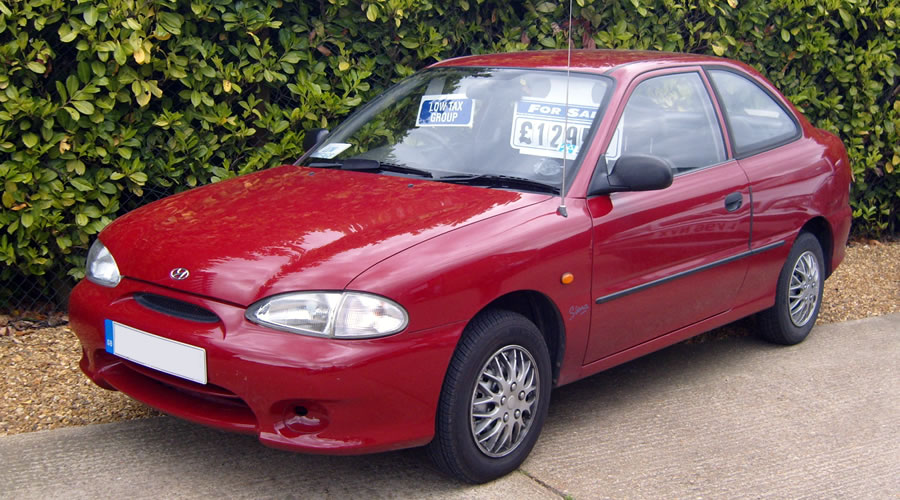
Hyundai Accent X3, hatchback 
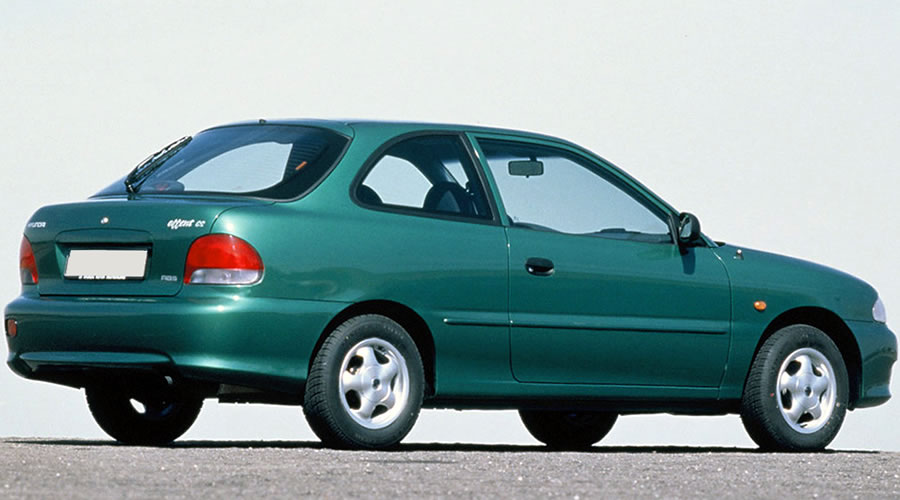
Hyundai Accent X3, hatchback
The Accent (code X3) was first introduced in 1994 as a 1995 model. This is the first independent development of the Hyundai company. Production was located in South Korea and Egypt. The bodies were presented in the form of a 3-door hatchback (Sprint and GX trim levels), 5-door hatchback and 4-door sedan (LX and GLX trim levels). A small batch was produced in the form of a 2-door coupe. The car had a modern design and characteristics for that time, as well as a competitive price. All models (except Sprint) had power steering. Expensive trim levels were equipped with air conditioning, airbags, automatic transmission and electric windows.

Hyundai Accent X3, back view 
Hyundai Accent X3, back view
The first models had only petrol engines with volumes of 1.3, 1.5 and 1.6 liters and power from 75 to 104 hp, all 4-cylinder in-line engines with one or two camshafts. Despite the small weight of the car and modern engines, petrol consumption was higher than average - 8.6 liters per 100 km (1.5-liter engine). There were two types of gearboxes - a 4-speed automatic (A4AF2) or 5-speed manual (M5AF3).


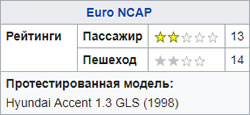
The car's safety was tested by Euro NCAP on a 1988 Accent 1.3 GLS. The results were quite poor for this class in a frontal impact. The cabin was unstable, leading to a high risk of chest injury.

In 1997, the car was restyled. External changes affected the front bumper and rear lights, internal changes were provided by new engines with two camshafts (DOHC).

Second generation (LC, 1999—2005)
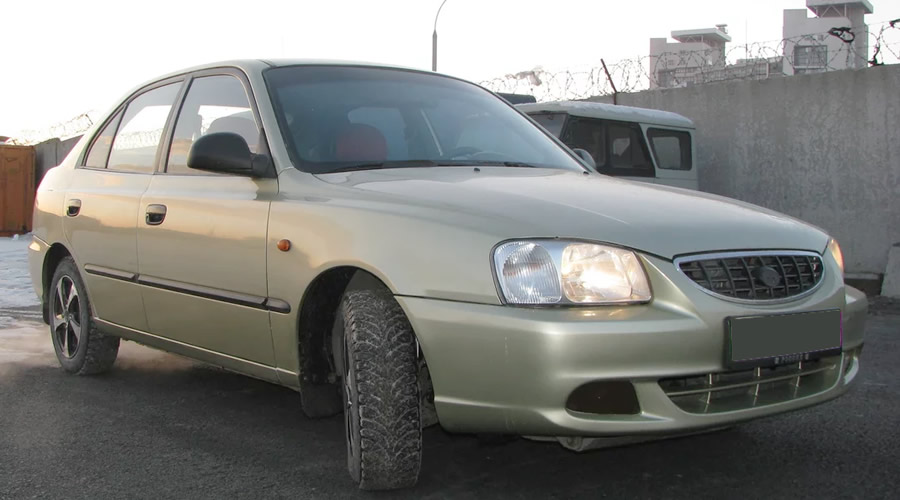


Hyundai Accent LC, sedan 
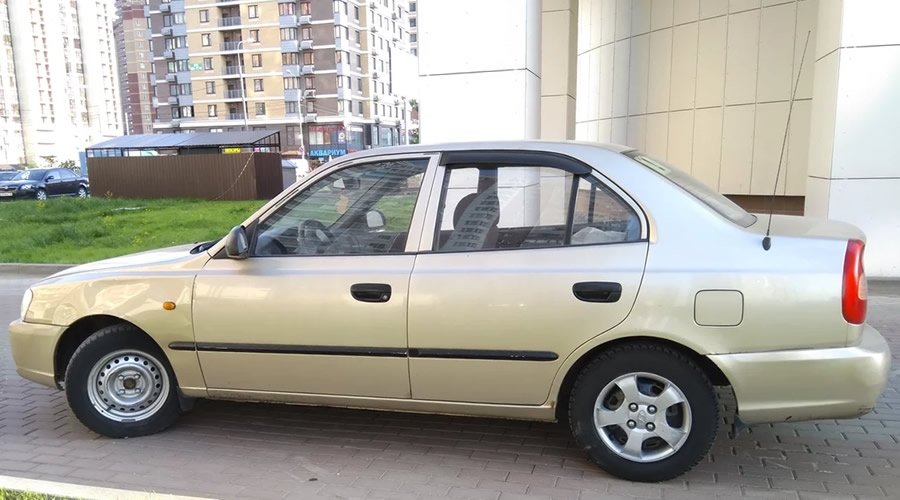
Hyundai Accent LC, sedan
In 1999, the second version of the Accent car (code LC) began to be produced. The appearance changed quite a lot and became more angular. The length of the body increased by more than 10 cm, and the interior space of the cabin and trunk increased accordingly. The body was presented as a 3- and 5-door hatchback and a 4-door sedan. The car is based on the Hyundai-Kia TB platform, on which they also assembled Hyundai Getz. Production took place in South Korea, India and Russia.

Hyundai Accent LC, side view 
Hyundai Accent LC, side view
The range of petrol engines is represented by the following models: 1.3 l, 86 hp (12-valve SOHC); 1.4 l, 92 hp (12-valve SOHC); 1.5 l, 102 hp (16-valve DOHC) and 1.6 l, 106 hp (16-valve DOHC). All 4-cylinder in-line cylinders. For the first time, a 1.5-liter diesel engine with 82 hp was installed. There are two transmissions to choose from - a 4-speed automatic and a 5-speed manual.


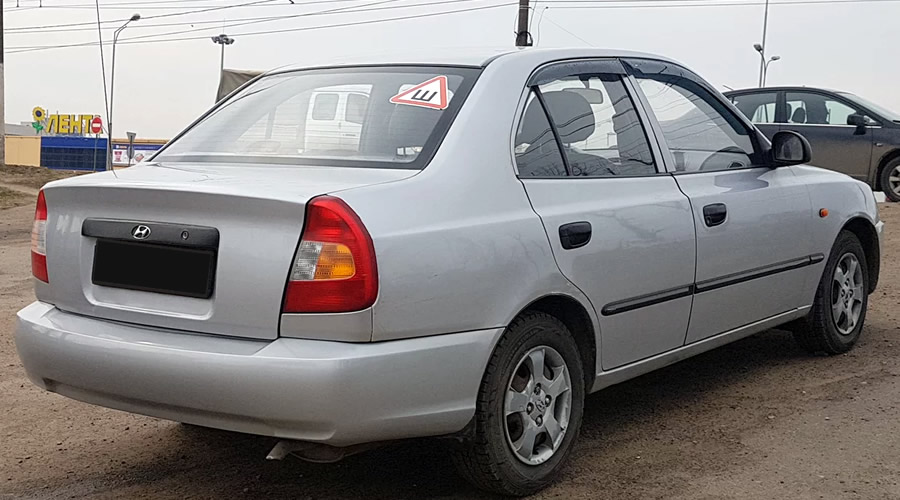
Hyundai Accent LC, back view 
Hyundai Accent LC, back view
The pre-facelift three-door hatchback of 2003 was tested for safety by the Australian ANCAP program, which was conducted in accordance with Euro NCAP rules. The car scored 10.76 out of 16 points for a frontal offset impact and 10.96 out of 16 for a side impact. Back in 2005, a four-door sedan without airbags was tested by the Russian magazine Autoreview also in accordance with Euro NCAP rules. The car scored 9.9 out of 16 for a frontal impact.

In 2003, the Accent underwent a minor restyling and was assigned the model code LC2.

Third generation (MC, 2005—2010)
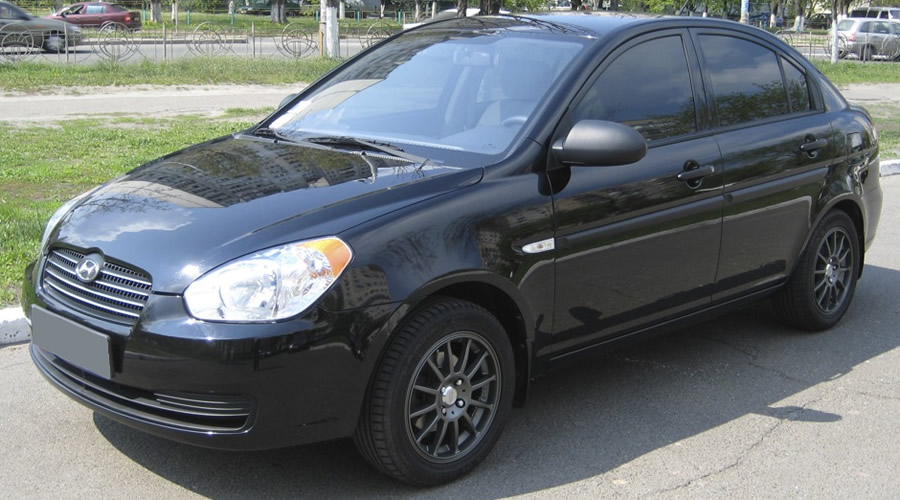


Hyundai Accent MC 
Hyundai Accent MC
The third reincarnation of the Accent was officially presented at the International Auto Show in New York in 2005. The car received the code MC. The exterior and interior of the car were completely updated. Based on the same platform as the car Kia Rio second generation. Production took place in South Korea, India, China and Turkey. In the US, the car was third in popularity in its class, following its competitors - Chevrolet Aveo and Toyota Yaris. In 2010, production of the Accent ceased in Russia due to low demand.

The body style was presented as a 4-door sedan (GLS) and a 3-door hatchback (GS and SE). The GLS trim includes 6 airbags, air conditioning, power steering with tilt, ABS with brake force distribution and a stereo system.
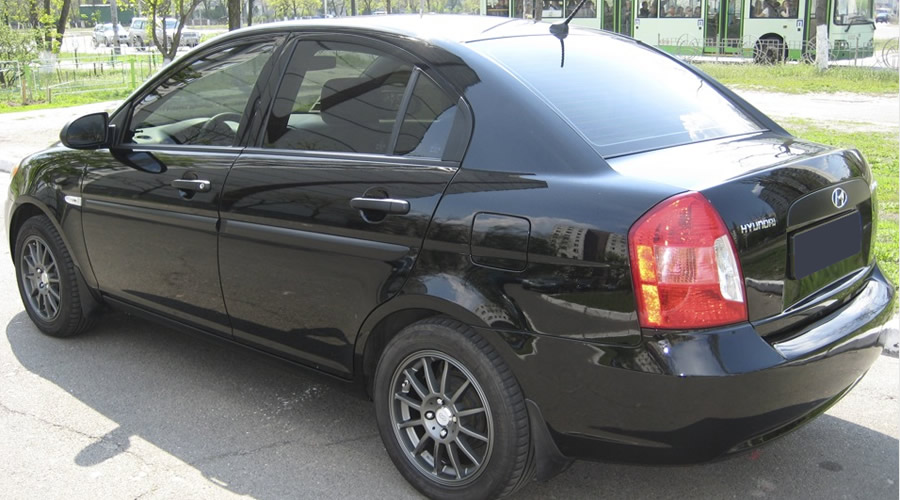
Hyundai Accent MC, back view 
Hyundai Accent MC, back view
There were two models of petrol engines: a 1.4-litre in-line l4 (96 hp, 127 Nm); 1.6-liter inline l4 (CVVT Alpha II; 110 hp, 145 Nm). Also installed one model of a 1.5-liter diesel engine (108 hp, 235 Nm) with in-line cylinders and turbocharging with direct injection Common Rail. Traditionally, there are two gearboxes - a 4-speed automatic and a 5-speed manual.

According to the Insurance Institute for Highway Safety (IIHS), the Accent received the 2006 acceptable overall score in the frontal impact test and short overall side test score without optional side airbags. The 2006 model was tested by ANCAP in June 2007. It scored 3 stars for occupant protection and 2 stars for pedestrian protection.

Fourth generation (RB, 2010—2017)
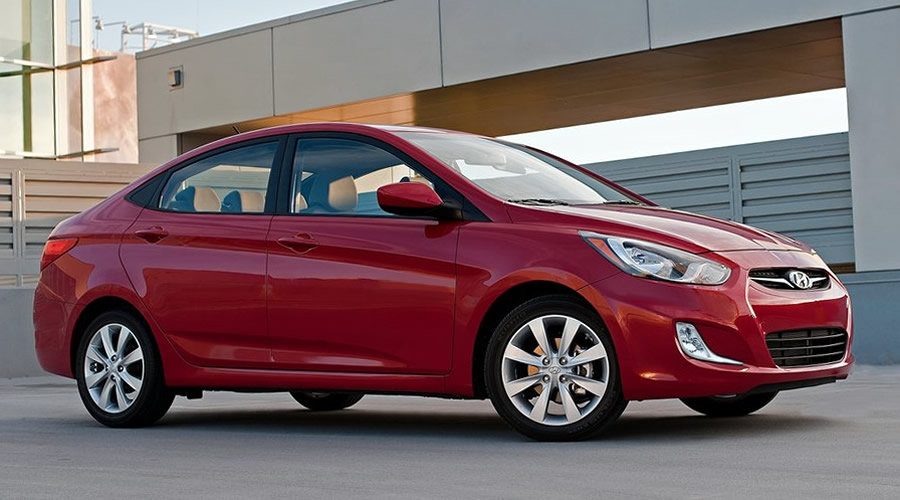


Hyundai Accent RB 
Hyundai Accent RB
In November 2010, the next generation of Accent with the RB code appeared in South Korea. The car is based on the Hyundai-Kia PB platform. There were two bodies - a 5-door hatchback and a 4-door sedan. The hatchback completely replaced Getz, which ceased to be produced in 2011. In some countries, the car has different names and trim levels.

The petrol engine range includes four models - 1.4 l Gamma, 1.4 l Kappa, 1.6 l Gamma and 1.6 l Gamma II with power from 99 to 130 hp. All engines are in-line 4-cylinder. There are two diesel engines with a volume of 1.4 and 1.6 liters (U-Line) with a capacity of 91 and 126 hp, also 4-cylinder in-line engines. Equipped with a fixed geometry turbocharger (FGT) and direct Common Rail fuel injection. A wide range of gearboxes is available - 5- or 6-speed manual, 4- or 6-speed automatic, as well as a continuously variable transmission CVT.

In 2012, the vehicle was tested by the IIHS and received a "Good" rating in the frontal impact test, an "Acceptable" rating in the side impact test, and a "Good" rating in the roof strength test.
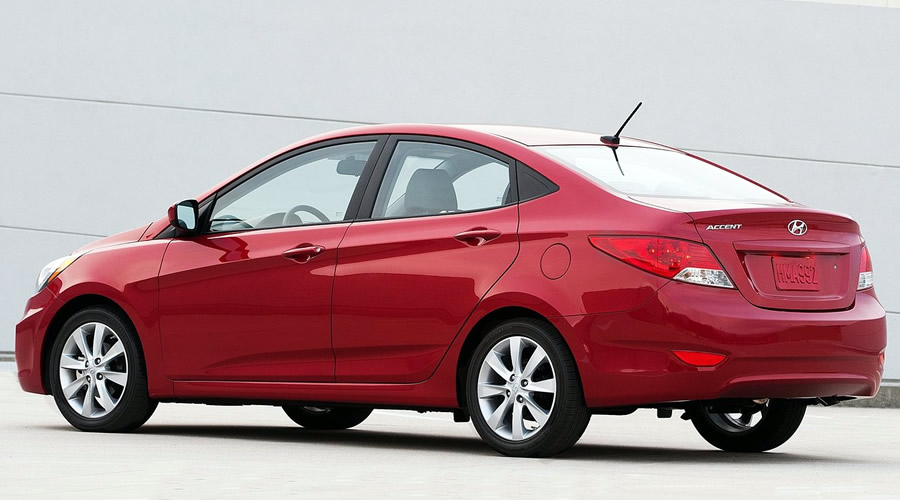
Hyundai Accent RB, back view 
Hyundai Accent RB, back view
The 2012 Accent was tested by the National Highway Traffic Safety Administration (NHTSA) and received the following ratings:
  • Overall Rating: 4/5 Stars
  • Frontal failure: 4/5 stars
  • Side Failure: 4/5 stars
  • Roll: 4/5 stars

China NCAP crash tested the Hyundai Verna in 2011 and the car scored the maximum 5 stars.

Fifth generation (2018-present)
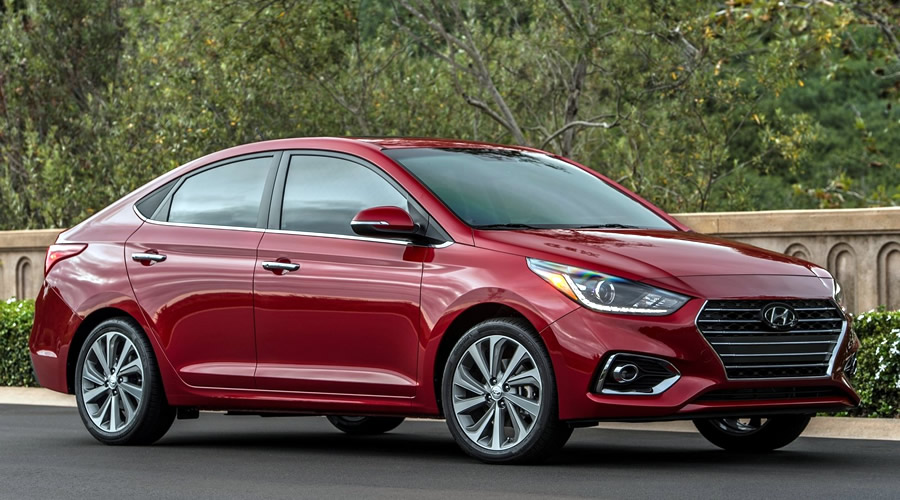


Hyundai Accent 2018 year, sedan 
Hyundai Accent 2018 year, sedan
At the end of 2016, the new generation of Accent was presented in China. Production began the same year, and official sales started in February 2017 as a 2018 model. In Russia (Solaris) the car is available from March in India (Verna) since August, and in the US since December 2017. The exterior design has been redesigned - the first thing that catches the eye is the large radiator grille, very similar to the style of all cars Audi after 2005. The bodies are available as a 4-door sedan and a 5-door hatchback.

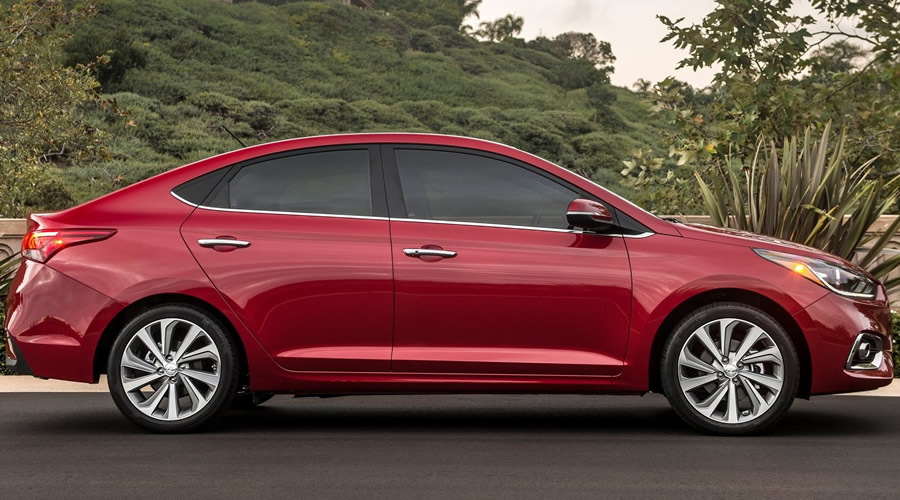
Hyundai Accent 2018 year, side view 
Hyundai Accent 2018 year, side view
So far, only one engine has been announced - a 1.6-liter petrol engine (Gamma), 130 hp, 4-cylinder in-line. Two gearboxes - 6-speed manual (M6CF1) and 6-speed automatic (A6GF1).

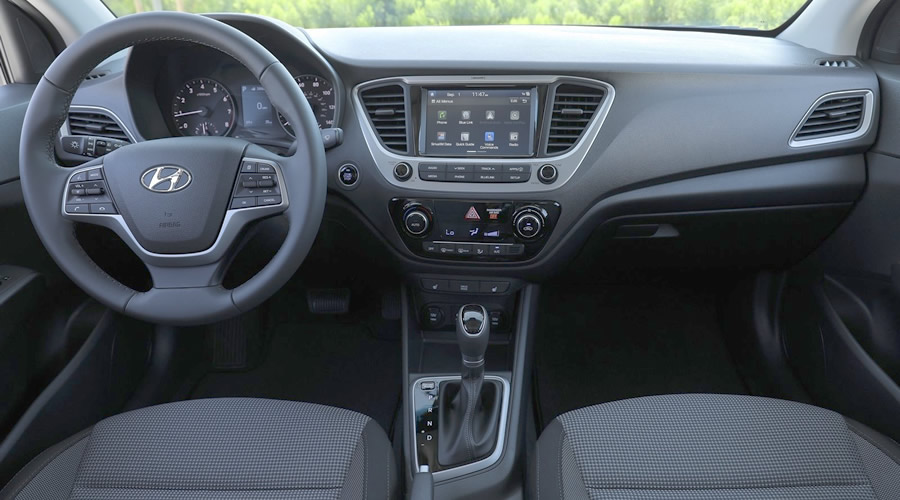
New for the first time is forward collision avoidance warning, a touchscreen infotainment system with optional Apple CarPlay, Android Auto and Hyundai Blue Link, a proximity key with push-button start, heated front bucket seats and more.
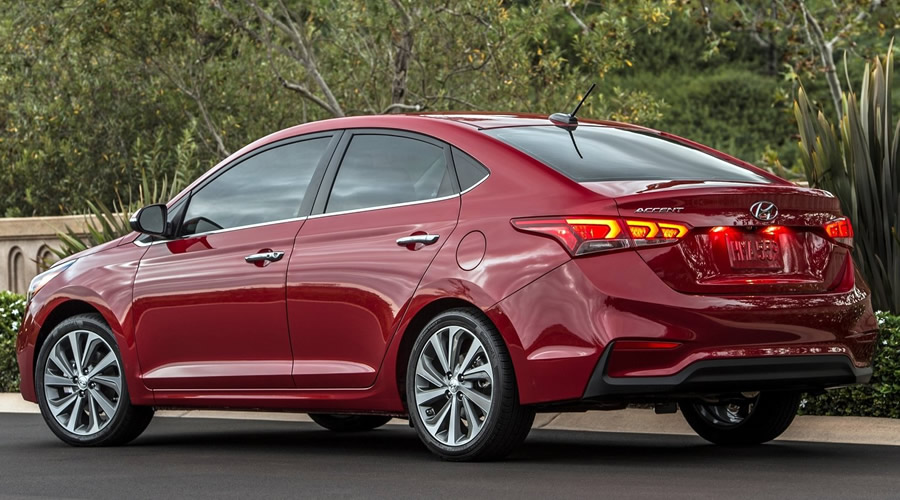
Hyundai Accent 2018 year, back view 
Hyundai Accent 2018 year, back view
Driver's seat Hyundai Accent 2018 year 
Driver's seat Hyundai Accent 2018 year
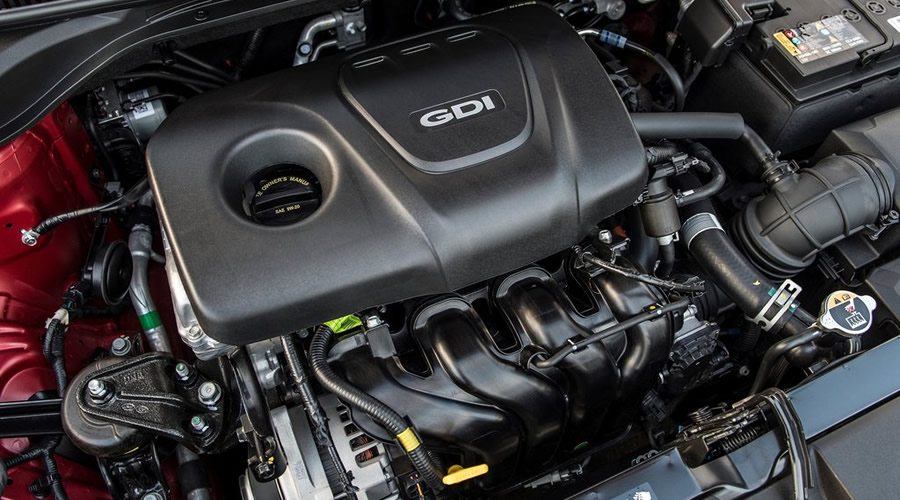
Engine compartment Hyundai Accent 2018 year 
Engine compartment Hyundai Accent 2018 year
Add to social network:
Link in different formats to this article
TextHTMLBB Code
Accent 3 (2005-2010) 
  • General information
  • User manual
  • Maintenance
  • Power unit
  • Engine repair
  • Cooling and lubrication system
  • Power and exhaust system
  • Engine electrical equipment
  • Engine management
  • Transmission
  • Clutch
  • Mechanical gearbox
  • Automatic gearbox
  • Chassis
  • Front suspension
  • Rear suspension
  • Wheels and tires
  • Steering
  • Brake system
  • Body
  • Exterior (external elements)
  • Interior (internal elements)
  • Heating and ventilation
  • Electrical equipment
  • Equipment and devices
  • Electrical circuits
Accent 2 (1999-2005) 
  • User manual
  • Control devices
  • Starting engine and driving
  • Troubleshooting
  • Power unit
  • SOHC engines
  • DOHC engines
  • Lubrication system
  • Cooling system
  • Decreased toxicity
  • Fuel system
  • Ignition system
  • Transmission
  • Clutch
  • Mechanical gearbox
  • Automatic gearbox
  • Axles and drive shafts
  • Chassis
  • Car suspension
  • Steering
  • Brake system
  • Body
  • Exterior (external elements)
  • Interior (internal elements)
  • Air conditioning system
  • Electrical equipment
  • Equipment and devices
  • Power devices
Accent 1 (1994-1999) 
  • General information
  • Maintenance
  • Power unit
  • SOHC engines
  • DOHC engines
  • Cooling system
  • Intake and exhaust systems
  • Fuel supply (1.3 l, injection)
  • Fuel supply (1.5 l, injection)
  • Fuel supply (carburetor)
  • Transmission
  • Clutch
  • Manual gearbox
  • Automatic gearbox
  • Drive shafts
  • Chassis
  • Car suspension
  • Steering
  • Brake system
  • Body
  • Body elements
  • Electrical equipment
  • Equipment and devices
  • Electrical circuits
HyundaiBook.ru © 2018-2025 · Mobile version · Sitemap: EN BG BY UA RS HR RO PL SK HU · Administration · Site search · Hyundai owners Accent 1 · Accent 2 · Accent 3 · Elantra 1 · Elantra 2 · Elantra 3 · Getz · Sonata 3 · Sonata 4 · Santa Fe 2 · Tucson 1 · Tucson 2 · Matrix ·