


2. Start the engine and warm it up to operating temperature.
3. Stop the engine and wait 5 minutes for the oil to drain into the pan.
4. Remove the dipstick, clean it and reinsert it.
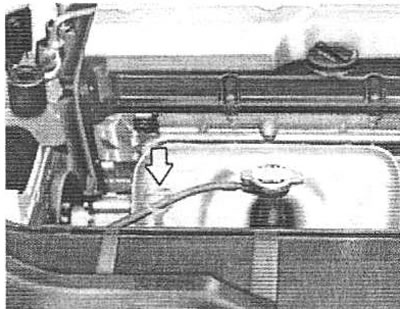
5. Remove the dipstick and check that the oil level is between the "F" and "L" marks. If the level is close to the "L" mark, add oil to the "F" mark.
Caution: Do not allow the oil level to exceed the "F" mark.
6. Check the oil for coolant and foreign impurities, changes in color and odor.
Engine oil change
1. Run the engine for a few minutes to warm up, then turn it off.
2. Raise the vehicle using a lift.
3. Remove the engine oil filler cap.
4. Unscrew the drain plug of the pan and drain the oil into a suitable container.
5. Remove the oil filter using a special key.
Note: Remove the old oil filter gasket completely.
6. Use a clean cloth to wipe off any remaining oil from the oil filter bracket.
7. Apply a small amount of clean engine oil to the oil filter gasket.
8. Install the new oil filter and tighten it until it touches the housing gasket, then tighten the filter by hand approximately 3/4 of a turn.
9. Install a new sealing ring onto the drain plug.
10. Tighten the drain plug. Tightening torque: 39-44 Nm.
Caution: Avoid prolonged contact of oil with painted surfaces and avoid contact with exposed areas of the body or eyes.
11. Fill the engine with clean oil in the required volume (up to the "F" mark on the dipstick).
Note: First pour half of the total volume, wait 10 minutes and add the remaining oil.
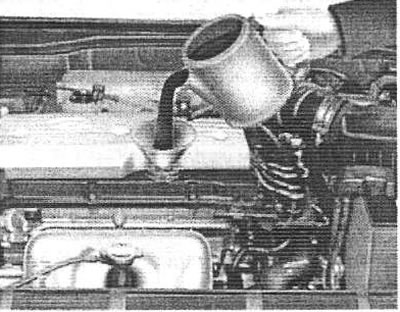
12. Install the oil filler cap.
13. Start the engine and check for leaks from the oil filter.
14. Check the engine oil level and top up if necessary.