


Contents: General precautions when performing…⇓ Paintwork Care ⇓ Restoration of damaged paintwork ⇓ Care of polished metal elements ⇓ Underbody care ⇓ Caring for aluminum wheels ⇓ Corrosion protection ⇓
General precautions when performing external care
When using chemical cleaners or polishes, it is very important to follow the directions given in the tables. Read all warnings in the tables carefully.
Paintwork Care
Car wash
To protect the paintwork from corrosion and wear, wash your car thoroughly with lukewarm or cold water at least once a month. If you use your car for off-road driving, wash it after each trip. Pay special attention to removing any accumulation of salt, dust, dirt and other foreign materials. Make sure that the drainage holes on the lower surfaces of the doors and suspension panels are clean of dirt. Insects, resin and tree sap, bird droppings, industrial emissions into the atmosphere and similar contaminants, if not removed in a timely manner, can damage the paintwork of your car. However, even with timely washing with water, it is not always possible to remove all contaminants. For more effective washing, you can use non-alkaline soap that is safe for painted surfaces.
After washing, rinse the car thoroughly with lukewarm or cold water. Do not allow the soap solution to dry on the car's paintwork.
Attention.
- Do not use strong soaps, chemical detergents or hot water. Also, do not wash the car in conditions of direct sunlight or if the car body is very hot.
- Do not wash the side window with a strong jet of water under pressure. Water may enter through the window and wet the interior.
- To avoid damaging plastic parts, do not wash them with chemical solvents or strong cleaning agents.
Attention.
- Wet brake system components.
- After washing your car, check the brakes by driving at low speed to make sure that no water has come into contact with the brake system components. If the brakes are no longer effective, dry them by driving at low speed and pressing the brake pedal lightly.
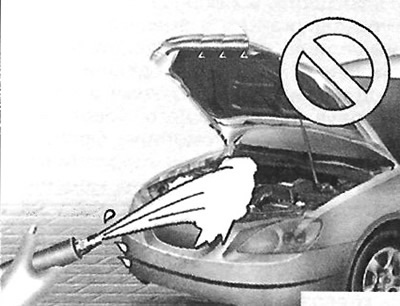
Attention.
- Washing the engine compartment with water, including water under pressure, can lead to failure of electrical circuits located in the engine compartment.
- Do not, under any circumstances, allow water or other liquids to come into contact with electrical/electronic components inside the vehicle, as this may cause damage.
Wax polishing
Wax should be applied after water has stopped beading on the painted surface of the car.
Before waxing, the car must be washed and dried. To polish the car, use a high-quality liquid wax or wax paste and follow the manufacturer's instructions. Wax all metal elements to protect them and preserve their shine. When removing oil, tar or similar substances with a stain remover from the painted surface of the body, the applied wax is usually also removed. Be sure to re-coat these areas with wax, even if the rest of the vehicle's surface doesn't need to be waxed at this point in time.
Attention.
- If you try to wipe dust or dirt off the surface of the car body with a piece of dry cloth, scratches will remain on the paintwork.
- Do not use steel wool, abrasive pads or strong solvents containing alkaline or caustic components to clean chrome or anodized aluminum parts. This may cause damage, discoloration or damage to the paint finish.
Restoration of damaged paintwork
Deep scratches or stone chips on a painted surface should be repaired promptly. Exposed metal rusts quickly, which can ultimately lead to significant repair costs.
Note: If your vehicle is damaged or requires any repairs or replacement of any metal parts, make sure that the auto repair shop performs anti-corrosion treatment on the parts being replaced or repaired.
Care of polished metal elements
To remove road tar and insect marks, use a product specifically designed for this purpose. Do not use a scraper or other sharp object for this purpose.
To protect polished metal surfaces from corrosion, apply a protective wax coating or chrome preservative and buff for extra shine.
During winter or year-round in coastal areas, apply a thicker coat of wax or protectant to polished metal parts. If necessary, coat these parts with non-corrosive petroleum jelly or other protective compound.
Underbody care
Corrosive substances used to remove snow and dust can accumulate under the vehicle. If these substances are not removed promptly, they can accelerate the corrosion of underbody components such as fuel lines, the frame, the underbody itself, and exhaust components, even if they have been treated with a corrosion protection agent. Thoroughly wash the underbody and wheel wells with a strong stream of lukewarm or cold water at least once a month, as well as after off-road driving and at the end of the winter season. Pay special attention to this part of the vehicle, as it is difficult to see all the accumulated dust and dirt. Simply wetting the ingrained dirt without removing it will do more harm than good. It is necessary to ensure that the drainage holes located at the bottom of the doors, on the panels of the suspension elements, and frame parts are not clogged with dirt; water remaining in these areas can cause corrosion.
[The original version is stored on the website: HyundaiBook.ru]
Caution: After washing your vehicle, check the brakes by driving at low speed to ensure that no water has come into contact with the brake system components. If the brakes are no longer effective, dry them by driving at low speed and gently pressing the brake pedal.
Caring for aluminum wheels
Aluminum wheels have a protective coating.
Do not use abrasive detergents, polishing compounds, solvents, or wire brushes to clean aluminum rims. This may cause scratches or damage to the coating.
Use only non-alkaline soap or neutral solvent. Rinse the rims thoroughly with water. Remember to clean all rims after driving on roads where salt has been used. This will help prevent corrosion.
Do not wash wheel rims with high-speed car wash brushes.
Do not use acidic cleaning agents. This may cause damage and corrosion to the aluminum wheels, which have a protective coating.
Corrosion protection
Protecting your car from corrosion
Using the latest design and manufacturing technologies to protect against corrosion, we produce cars of the highest quality. However, this is only part of the job. To ensure long-term corrosion protection, the owner's help and cooperation are required.
The main causes of corrosion
The main reasons for the appearance of corrosion in a car are:
Road salt, dirt and moisture that accumulate under the vehicle.
Chipping of paint or protective coatings by rocks, gravel, or minor chips and dents that leave unprotected metal open to corrosion.
Active corrosion zones
If your vehicle is used in areas where it is constantly exposed to materials that cause corrosion, corrosion protection is especially important. Some of the things that accelerate corrosion include road salt, chemicals used on roads, sea air, and industrial pollution.
Moisture is a source of corrosion
Moisture creates the conditions in which corrosion is most likely to occur. For example, corrosion processes are accelerated by high humidity, especially when the ambient temperature is slightly above freezing. Under such conditions, moisture that evaporates too slowly maintains constant contact of the corrosive material with the surface of the car. Dirt is a particularly active source of corrosion because it dries slowly and retains moisture on the surface of the car. Even if the dirt appears dry, it can still contain moisture and promote corrosion processes. High temperatures can also promote corrosion of poorly ventilated parts of the car, where moisture can settle. For all these reasons, it is especially important to keep your car clean, regularly removing dirt and other accumulations of material. This applies not only to visible areas, but also to the underbody of the car.
Prevention of corrosion
You can help prevent corrosion by taking the following steps:.
Keep your car clean
The best way to prevent corrosion is to keep your car clean and regularly remove deposits of materials that cause it. It is very important to pay special attention to the underside of the car.
If you operate your car in areas of active corrosion (where roads are salted, near the sea, in areas with severe industrial pollution, acid rain, etc.), you must take special measures to prevent corrosion. In winter, you should clean the underbody of the car with a jet of water at least once a month, and after the end of the winter period, rinse it thoroughly.
When cleaning the underbody of a vehicle, pay special attention to the structural elements located in the wheel wells and other places that are not visible. Clean thoroughly; simply soaking the dirt rather than rinsing it off will actually intensify corrosion rather than prevent it. High-pressure water and steam are particularly effective at removing dirt deposits and corrosive materials.
When cleaning the bottom of doors, suspension elements and power structures, make sure that the drainage holes are open, allowing moisture to evaporate and not accumulate inside, accelerating the appearance of corrosion.
Keep your garage dry
You should not park your car in a damp, poorly ventilated garage. This creates favorable conditions for corrosion to form. This is especially true if you wash your car inside the garage or drive into the garage in a wet, snow-covered, ice-covered or mud-covered car. Even a heated garage can promote corrosion if it is poorly ventilated and moisture does not evaporate.
Keep your paintwork and trim panels in good condition
Scratches and chips in the paintwork should be covered with quick-drying paint as soon as possible to reduce the likelihood of possible corrosion. If you find an unprotected area of metal, it is recommended to contact a specialized body repair shop.
Bird droppings are highly corrosive. They can damage paintwork within hours. Always remove bird droppings as quickly as possible.
Don't forget about the salon
Moisture that causes corrosion can collect under the carpets and floor covering. Check periodically for moisture under the carpets. Be especially careful if you use your vehicle to transport fertilizers, cleaning materials or chemicals. Such materials should be transported only in containers intended for this purpose, and any spills or stains from them should be wiped up, washed with clean water and dried thoroughly.