Low oil pressure
Low oil pressure can manifest itself in a variety of ways. If the vehicle is equipped with an oil pressure gauge, the most obvious indication of low pressure will be a low reading on the gauge. But before you suspect wear on a large number of metal engine parts, check a few things.
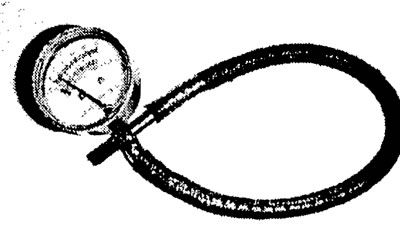
Make sure the oil pressure warning light is working properly. Verify that the problem is indeed low oil pressure by removing the oil pressure sensor and installing a mechanical oil pressure gauge in the oil pressure sensor hole. If you don't have such a pressure gauge, you can rent one from a workshop.
[The article is borrowed from the website: HyundaiBook.ru]
The oil pressure value you should expect will change with the oil temperature. The oil temperature will change with engine temperature. It may be that the engine is cold when you perform this check. Cold oil by definition produces higher pressure than warm oil. This will also be true when using all-season oils.
With the mechanical oil pressure gauge connected to the hole where the oil pressure sensor was installed, start the engine. Immediately after starting the engine and before actually checking the oil pressure, check the pressure gauge connection and make sure there are no oil leaks. Even small leaks on some pressure gauges can cause an error in the readings of the instrument. If no leaks are found, compare the oil pressure with the values specified in the engine specifications.
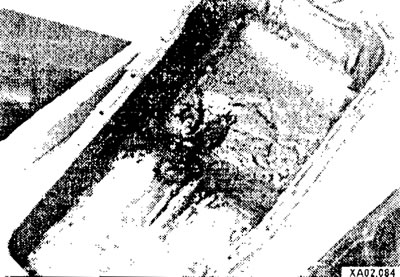
This oil pan shows the results of too infrequent engine oil changes. The layer of sediment at the bottom of the tray is 1-1.5 cm thick.