


Contents: Precautions to prevent poisoning by…⇓ Precautions to prevent the collapse…⇓ Precautions to prevent burns ⇓ Precautions to prevent electric shock ⇓ Precautions when working with toxic…⇓ Precautions when working with…⇓ Environmental protection ⇓
Precautions to prevent poisoning by vapors or gases
Do not operate the engine for long periods without proper exhaust extraction. The work area must be well ventilated and free of flammable materials. Special care is required when working with flammable or toxic materials such as gasoline, coolants, etc. When working with hazardous materials in a pit or other enclosed space, the work area must first be ventilated.
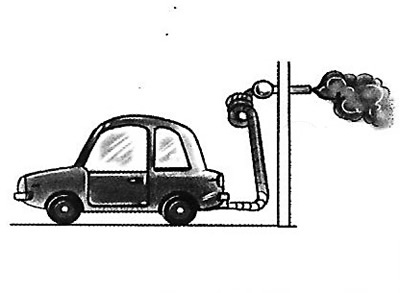
Some gases emitted during vehicle operation are flammable (for example, gas emitted during battery charging). Smoking is prohibited while working on the vehicle.
When releasing refrigerant from the air conditioning system, always use special equipment of an approved type - refrigerant vapors are toxic.
Precautions to prevent the collapse of the vehicle or its components
Before lifting the car with a jack, it is necessary to place stops under the wheels or otherwise block them to prevent the car from rolling. Having lifted the car with a jack to the desired height, it is necessary to place it on supports, placing them in specially designated places. Only then can you begin work. All of the above work should be carried out on a level surface.
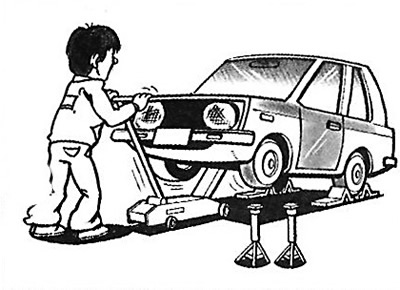
When removing heavy components such as the engine or gearbox, be careful not to lose balance or drop the component. Also, avoid allowing the component to strike adjacent parts, especially the brake lines and the brake master cylinder.
Precautions to prevent burns
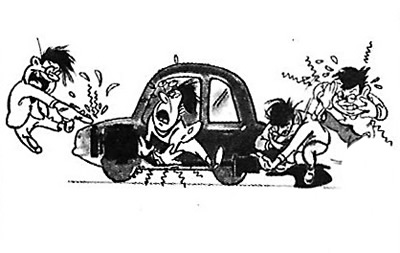
To prevent serious burns, avoid contact with hot metal parts and do not remove the radiator cap when the engine is hot.
It is prohibited to add fuel to the tank after the automatic shut-off of the fuel dispenser nozzle. Failure to comply with this requirement may result in overfilling of the tank, fuel splashing and ignition.
Sometimes a fire can be caused by an overload or short circuit in the electrical wiring. Care must be taken when repairing or replacing electrical equipment.
Precautions to prevent electric shock
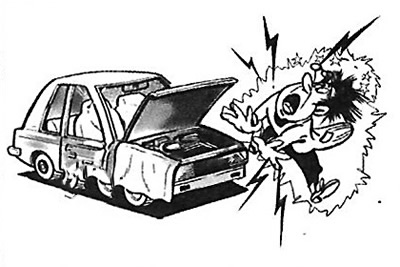
High-voltage ignition wires on gasoline engines can cause electric shock. These wires must not be disconnected while the engine is running.
Many vehicle electrical systems are dangerous for people with pacemakers. It is not recommended for this category of people to work in the engine compartment.
Do not touch the terminals of electrical devices containing microprocessors (e.g. electronic engine control unit). Static electricity can damage internal electronic components.
Precautions when working with toxic substances and materials
Battery terminals, connectors and other similar items contain lead or lead compounds. Wash your hands after handling them.
Prolonged and repeated contact with used motor oil can cause skin cancer. Avoid direct contact with used oil on the skin. If this does happen, wash the contaminated area of skin thoroughly with soap and water or hand detergent as quickly as possible. To make it easier to remove oil from the skin, use protective creams. Apply the cream before each stage of work. If possible, remove oil from parts before working with them.
(The original article is posted on the portal HyundaiBook.ru)
Avoid skin contact with electrolytes, brake fluids, antifreeze, fuel or lubricants. If any of these substances are swallowed or come into contact with the eyes, seek medical attention as soon as possible.
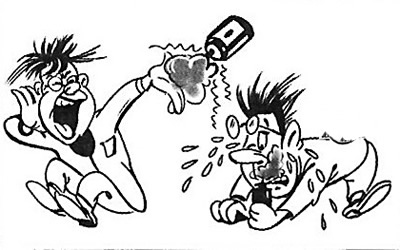
Contact with refrigerant on exposed skin or in the eyes may cause thermal burns (frostbite).
Precautions when working with Supplemental Restraint System (SRS) components
To avoid damage to the SRS system, which could increase the risk of injury or death in a traffic accident requiring air bag deployment, any work on the system should be performed only at specialized service stations. It is necessary to exercise special care when working on components related to the supplemental passive restraint system (for example, when removing the steering wheel), strictly follow the instructions given in this Manual. Incorrect maintenance techniques, including improper removal and installation of SRS system components, can lead to injury due to unexpected activation of the system.
Environmental protection
When servicing a vehicle, it may be necessary to use, dispose of, or recycle hazardous, flammable, or toxic substances or materials, such as gasoline, refrigerants, solvents, oils, oil filters, air bag modules, seat belt pretensioners, etc. Disposal, recycling, and transportation of any hazardous materials must be carried out in accordance with applicable laws.