


1.1 and 1.3 liter SOHC engine repair Hyundai Getz

G4EA 1.3 liter engine specifications
Front view of the engine: 1 - catalytic collector; 2 - oil pan; 3 - oil filter; 4 - generator; 5 - oxygen concentration sensor; 6 - protective screen of the exhaust...
Front view of the engine: 1 - catalytic collector; 2 - oil pan; 3 - oil filter; 4 - generator; 5 - oxygen concentration sensor; 6 - protective screen of the exhaust...

1.1 liter SOHC engine specifications
Engine management system Bosch Fuel tank capacity, l 45 Fuel filter High pressure Fuel pump Electric, submersible type Throttle body: throttle position sensor idle...
Engine management system Bosch Fuel tank capacity, l 45 Fuel filter High pressure Fuel pump Electric, submersible type Throttle body: throttle position sensor idle...

Recommendations for engine repair
This section covers engine repair operations, including cylinder head and cylinder block components. The section includes recommendations on both the organization and...
This section covers engine repair operations, including cylinder head and cylinder block components. The section includes recommendations on both the organization and...

Causes of engine failure and ways to eliminate it
Cause of malfunction Method of elimination Insufficient compression in engine cylinders The cylinder head gasket is blown Replace the gasket Worn or damaged piston rings...
Cause of malfunction Method of elimination Insufficient compression in engine cylinders The cylinder head gasket is blown Replace the gasket Worn or damaged piston rings...
Valve tappet failures
Sign of malfunction Cause of malfunction Method of elimination Knocking noise when starting a cold engine that then stops Normal phenomenon The knocking stops once the...
Sign of malfunction Cause of malfunction Method of elimination Knocking noise when starting a cold engine that then stops Normal phenomenon The knocking stops once the...
Checking the engine's serviceability
Is everything OK with the car engine? Maybe it's time to put money aside for computer diagnostics or even repairs? A few tips from an engineer who has been repairing...
Is everything OK with the car engine? Maybe it's time to put money aside for computer diagnostics or even repairs? A few tips from an engineer who has been repairing...
Installation of the power unit
The power unit consists of an engine, clutch and gearbox. It is removed using a hydraulic lift or hoist, lowering it from the engine compartment onto a trolley. In this...
The power unit consists of an engine, clutch and gearbox. It is removed using a hydraulic lift or hoist, lowering it from the engine compartment onto a trolley. In this...

Checking the compression in the cylinders
If the Hyundai Getz engine is running poorly or intermittently, check the ignition system and fuel system. If the reasons for poor engine performance cannot be found,...
If the Hyundai Getz engine is running poorly or intermittently, check the ignition system and fuel system. If the reasons for poor engine performance cannot be found,...
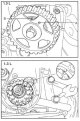
Timing belt — removal and installation
Removal 1. Remove the water pump pulley mounting bolt. 2. Remove the generator mounting bolt. 3. Remove the water pump pulley and drive belt. 4. Remove the crankshaft...
Removal 1. Remove the water pump pulley mounting bolt. 2. Remove the generator mounting bolt. 3. Remove the water pump pulley and drive belt. 4. Remove the crankshaft...

Adjusting the timing belt tension
1. Turn the steering wheel fully counterclockwise. 2. Raise the car. 3. Remove the engine mount bracket. 4. Unscrew the bolt securing the water pump pulley and the bolt...
1. Turn the steering wheel fully counterclockwise. 2. Raise the car. 3. Remove the engine mount bracket. 4. Unscrew the bolt securing the water pump pulley and the bolt...

Adjusting the tension of the poly V-belt
1. Check the condition of the poly V-belt and its position on the pulleys. 2. Check the belt tension by applying 100 N of force to it at a location equidistant from the...
1. Check the condition of the poly V-belt and its position on the pulleys. 2. Check the belt tension by applying 100 N of force to it at a location equidistant from the...

Adjusting the alternator drive belt tension
Caution! If the belt is loose, it will make extraneous noise during operation and will be subject to premature wear. If the belt is too tight, damage to the water pump...
Caution! If the belt is loose, it will make extraneous noise during operation and will be subject to premature wear. If the belt is too tight, damage to the water pump...
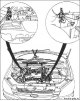
Engine Mounts — Removal and Installation
Removal Attach the lifting gear clamps to the engine lugs and lift so that the engine weight is supported by the lifting gear. 1. Unscrew the bolts securing the engine...
Removal Attach the lifting gear clamps to the engine lugs and lift so that the engine weight is supported by the lifting gear. 1. Unscrew the bolts securing the engine...

Air filter — removal and installation
Removal 1. Remove the air intake pipe connected to the air filter. 2. Remove the air intake hose from the air filter side. 3. Remove the air filter cover and air filter...
Removal 1. Remove the air intake pipe connected to the air filter. 2. Remove the air intake hose from the air filter side. 3. Remove the air filter cover and air filter...

Hydraulic valve clearance compensators
If the plunger of the hydraulic valve lash adjuster filled with engine oil moves when pressed with a finger, replace the lash adjuster. The main faults of hydraulic...
If the plunger of the hydraulic valve lash adjuster filled with engine oil moves when pressed with a finger, replace the lash adjuster. The main faults of hydraulic...
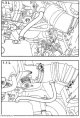
Rocker arms — removal and installation
Removal 1. Remove the wide hose and crankcase ventilation valve. 2. Remove the timing belt cover. 3. Remove the cylinder head cover. 4. Unscrew the flange bolts and...
Removal 1. Remove the wide hose and crankcase ventilation valve. 2. Remove the timing belt cover. 3. Remove the cylinder head cover. 4. Unscrew the flange bolts and...
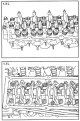
Camshaft — Removal and Installation
Removal 1. Disconnect the crankcase ventilation hose and the positive crankcase ventilation hose. 2. Remove the water pump pulley and crankshaft. 3. Remove the timing...
Removal 1. Disconnect the crankcase ventilation hose and the positive crankcase ventilation hose. 2. Remove the water pump pulley and crankshaft. 3. Remove the timing...

Cylinder head — removal and installation
Removal 1. Drain the coolant and disconnect the radiator inlet hose. 2. Disconnect the crankcase ventilation hose from the air filter and cylinder head cover. 3....
Removal 1. Drain the coolant and disconnect the radiator inlet hose. 2. Disconnect the crankcase ventilation hose from the air filter and cylinder head cover. 3....

Cylinder head repair
Disassembly 1. Use the special tool to compress the valve spring and remove the valve keepers from the valve stem. Slowly release the spring compressing tool and remove...
Disassembly 1. Use the special tool to compress the valve spring and remove the valve keepers from the valve stem. Slowly release the spring compressing tool and remove...

Exhaust manifold — check
Check the exhaust manifold for damage or cracking. Check the exhaust manifold gasket for delamination or damage.
Check the exhaust manifold for damage or cracking. Check the exhaust manifold gasket for delamination or damage.
Intake manifold — removal and installation
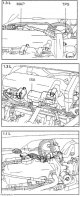
Removal 1. Disconnect the connectors from the absolute pressure sensors, idle air control valve and throttle position sensor. 2. Remove the air intake pipe connected to...
Removal 1. Disconnect the connectors from the absolute pressure sensors, idle air control valve and throttle position sensor. 2. Remove the air intake pipe connected to...
Removal and installation of engine and gearbox
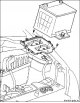
Removal 1. Remove the battery. Warning When removing the power unit, ensure that the jacks and stands are installed correctly and that the engine is securely fastened...
Removal 1. Remove the battery. Warning When removing the power unit, ensure that the jacks and stands are installed correctly and that the engine is securely fastened...

Cylinder Block — Disassembly and Inspection
Disassembly 1. Remove the cylinder head, timing belt, front cover, flywheel, pistons and crankshaft. Examination 1. Remove any gaskets, sealant, dirt, oil, grease, or...
Disassembly 1. Remove the cylinder head, timing belt, front cover, flywheel, pistons and crankshaft. Examination 1. Remove any gaskets, sealant, dirt, oil, grease, or...

Flywheel — removal and installation
Removal 1. Remove the gearbox and clutch. 2. Remove the bolts and flywheel. If the vehicle has an automatic transmission, remove the drive disc. When removing the bolts,...
Removal 1. Remove the gearbox and clutch. 2. Remove the bolts and flywheel. If the vehicle has an automatic transmission, remove the drive disc. When removing the bolts,...

Crankshaft — removal and installation
Removal 1. Remove the timing belt, front cylinder block cover, flywheel, cylinder head and oil pan. 2. Remove the rear cover from the cylinder block and the rear...
Removal 1. Remove the timing belt, front cylinder block cover, flywheel, cylinder head and oil pan. 2. Remove the rear cover from the cylinder block and the rear...

Pistons and connecting rods — removal and installation
Removal 1. To disassemble and reassemble the piston and connecting rod, use special tools 09234–33001. 2. Install the universal supports into the clamp between the...
Removal 1. To disassemble and reassemble the piston and connecting rod, use special tools 09234–33001. 2. Install the universal supports into the clamp between the...

Exhaust system — removal and installation
Removal Main muffler Warning: Make sure the exhaust system is sufficiently cool before removing or inspecting components. 1. Disconnect the main muffler from the center...
Removal Main muffler Warning: Make sure the exhaust system is sufficiently cool before removing or inspecting components. 1. Disconnect the main muffler from the center...
Engine running-in after repair
The repaired engine undergoes bench testing (running-in) without load in the following cycle. Rotation speed, min⁻¹ Time, min 750–800 2 1000 3 1500 4 2000 5 After...
The repaired engine undergoes bench testing (running-in) without load in the following cycle. Rotation speed, min⁻¹ Time, min 750–800 2 1000 3 1500 4 2000 5 After...
This section is available on russian, bulgarian, belarusian, ukrainian, serbian, croatian, romanian, polish, slovak, hungarian
We recommend other sections on the topic of Hyundai manuals:
Power unit: SOHC engines Hyundai Accent 2 (1999-2005)
Power unit: Engine repair I4 SOHC Hyundai Sonata 3 (1993-1998)
Link in different formats to this section
TextHTMLBB Code
- User manual
- Control devices
- Heating and ventilation
- Audio system
- Car driving
- Faults en route
- Maintenance
- Technical information
- Power unit
- Engine repair 1.1/1.3 l
- Engine repair 1.5/1.6 l
- Lubrication system
- Cooling system
- Fuel system
- Exhaust system
- Ignition system
- Transmission
- Clutch
- Mechanical gearbox
- Automatic gearbox
- Drive shafts and axles
- Chassis
- Suspension and wheels
- Steering
- Brake system
- Body
- Exterior (external elements)
- Interior (internal elements)
- Air conditioning and heater
- Electrical equipment
- Equipment and devices
- Power devices
- Electrical circuits