


Warning: Do not remove the radiator cap while the engine is hot. The cooling system is under pressure and removing the cap may cause hot fluid to spray out, which could cause severe burns. Do not remove the radiator cap until you can touch the radiator with your hand.
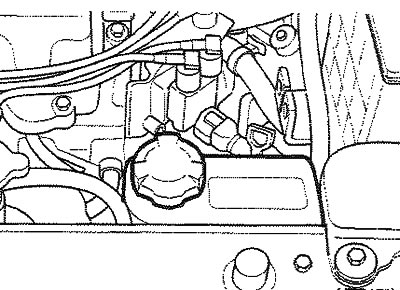
Gasoline engine |
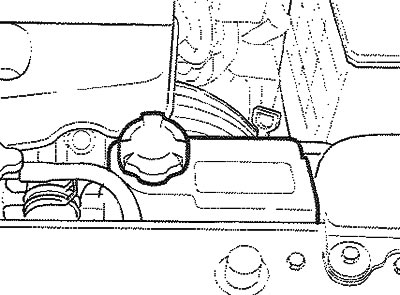
Diesel engine |
Recommended Engine Coolant
Use a 50 percent solution of ethylene glycol based water coolant. The engine coolant must be suitable for use with aluminum parts. Additional additives and anti-corrosion additives should not be used. The coolant must be of the correct concentration and type to prevent freezing and corrosion.
Do not allow the antifreeze concentration to exceed 60% or below 35%, otherwise the cooling system may be damaged. The correct concentration of antifreeze when adding or replacing it is indicated in the table below.
| Average ambient temperature°C | Coolant concentration | |
| Antifreeze concentration | Water | |
| -15 | 35% | 65% |
| -25 | 40% | 60% |
| -35 | 50% | 50% |
| -45 | 60% | 40% |
Checking the coolant level
The coolant level can be seen on the side of the plastic expansion tank. The coolant level in this tank should be between the "LOW" and "FULL" marks on the tank when the engine is cold. If the level is below the "LOW" mark, add coolant so that it is between the "LOW" and "FULL" marks. If the level is low, check for leaks in the cooling system and check the coolant level more often. If the level drops again, have your authorized HYUNDAI dealer inspect and diagnose the cause of the leak.
Engine Coolant Replacement
The engine coolant must be replaced at the intervals specified in the periodic maintenance chart in the Service Book,
Caution: Engine coolant can damage your vehicle's paintwork. If you spill coolant on your vehicle, rinse it off thoroughly with clean water.
1. Park the car on a level surface, apply the parking brake, and when the engine has cooled down sufficiently, remove the radiator cap.
2. Make sure the container for draining the coolant is in place. Open the radiator drain cock. Allow the coolant to drain completely from the cooling system, then close the cock tightly.
3. The coolant volume for your vehicle is listed in Section 8. Following the manufacturer's instructions on the coolant container, pour the required amount of fluid into the radiator. Pour distilled or demineralized water into the radiator.
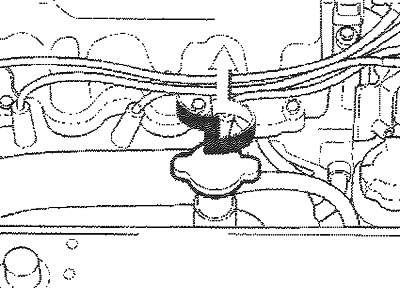
4. Turn the radiator cap counterclockwise without pressing on it. This will release any residual pressure in the cooling system. Remove the cap by pushing down and turning counterclockwise. Now fill the radiator with clean demineralized or distilled water. Continue adding water in small portions until the water level reaches the neck of the radiator,
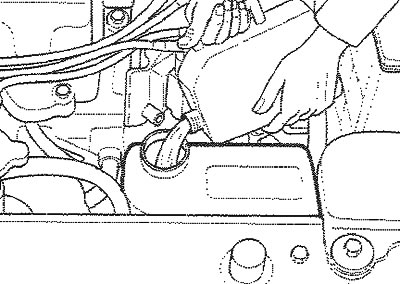
5. Start the engine, fill the radiator with water, and then add coolant to the expansion tank until the level is between the "LOW" and "HIGH" marks.
6. Install the radiator and expansion tank caps and make sure the drain cocks are closed and not leaking.
Warning: The radiator cooling fan operates based on engine coolant temperature, and may sometimes operate even when the engine is not running. Be especially careful when working near the fan blades to avoid injury from rotating blades. As the coolant temperature drops, the fan will automatically turn off. This is normal.