


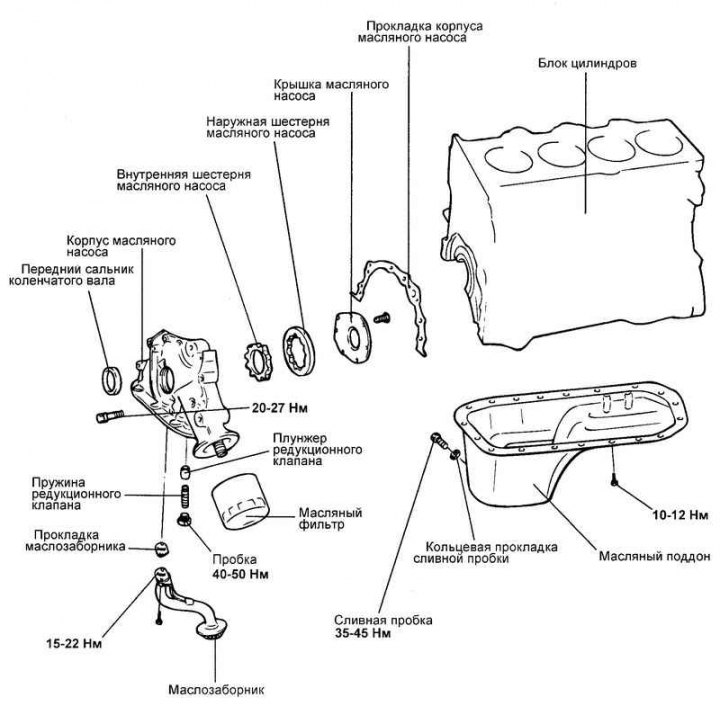
Fig. 2.186. Lubrication system components
The lubrication system is combined: splash and under pressure. Under pressure, the main and connecting rod bearings and camshaft supports are lubricated. The system consists of an oil sump, a gear oil pump with an oil receiver, a full-flow oil filter, an oil pressure sensor and oil valves.
The oil pump takes oil from the engine sump and delivers it to the oil filter. There is a bypass valve on the discharge side of the oil pump. If the oil pressure is too high, the valve opens and some of the oil flows back into the engine sump.
Through the middle of the filter element of the oil filter, clean oil enters the main oil line. If the filter is clogged, the bypass valve located in the oil filter housing supplies unfiltered oil directly to the main oil line. In the oil filter pipe there is a check valve that prevents the oil channels and hydraulic tappets of the engine valves from emptying. Channels for lubricating the crankshaft bearings branch off from the main oil line. Through inclined holes in the crankshaft, oil is supplied to the connecting rod bearings, and from there it is sprayed onto the piston pins and cylinders. At the same time, oil is supplied through the ascending channels to the cylinder head and provides lubrication of the camshaft bearings and operation of the hydraulic tappets.
Oil consumption
When talking about oil consumption in an internal combustion engine, we mean only the amount of oil that is consumed as a result of the combustion process (burnout consumption). Oil consumption should never be confused with oil loss due to leaks in the oil pan, cylinder head cover, etc. Normal oil consumption occurs due to the combustion of a small amount in the cylinders, as well as due to the removal of combustion residues and wear particles. Oil wears out under the influence of high temperatures and high pressures that occur in the engine cylinders. Oil consumption is also greatly influenced by external factors, such as driving style, as well as the precision of the engine parts.
The maximum permissible oil consumption during operation may be 1.0 l per 1000 km.
Once the minimum mark is reached, oil must be added (the amount of oil added must not exceed 1 l).
Caution! On vehicles equipped with engines with a catalytic converter, it is necessary to ensure that the oil level on the dipstick is not above the maximum mark. If too much oil has been poured into a vehicle with a catalytic converter, the excess oil must be removed from the crankcase by draining or suction (using a special vacuum pump), otherwise unburned oil will penetrate the exhaust system and can destroy the catalytic converter.
Selecting oil for the engine lubrication system
All-season oil is used to lubricate Hyundai engines. All-season oils have the advantage that they can be used both in winter and in summer. All-season oils are based on liquid seasonal oils (for example, viscosity class 15W). Due to the so-called thickeners, the oil is stabilized in a hot state, so that the necessary lubricating properties are provided for each state. "W" in the SAE classification indicates that this oil can be used in winter.
Light-running oils are all-season oils with antifriction additives, their use can save fuel up to 2%. Light-running oils have low viscosity (for example, 10W-30). They require a special base (synthetic oils).
Recommended oil quality class according to API: HE BELOW SG or SH.
Recommended SAE oil viscosity grade: depending on expected ambient temperature until next oil change.