


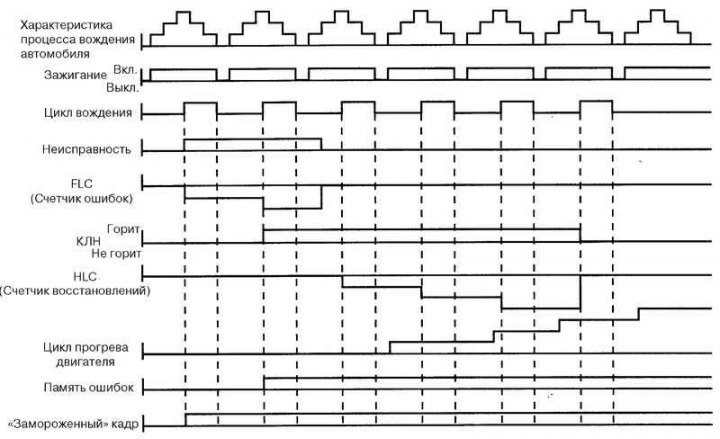
Fig. 2.237. Diagram of the relationship between fault codes and the characteristics of the vehicle driving process
1. If the same malfunction is detected and persists for two driving cycles, the malfunction indicator lamp will automatically illuminate.
2. The malfunction indicator lamp goes out if no malfunctions are detected for 3 consecutive driving cycles.
3. A diagnostic trouble code (DTC) is stored in the ECU memory when a malfunction is detected after two consecutive driving cycles. The malfunction indicator lamp (MIL) comes on when a malfunction is detected in the second driving cycle.
If a misfire is detected, a fault code is recorded and the fault indicator lamp lights up immediately after the fault is detected.
4. The fault code is automatically cleared from the ECU memory if the same fault is not detected within 40 driving cycles.
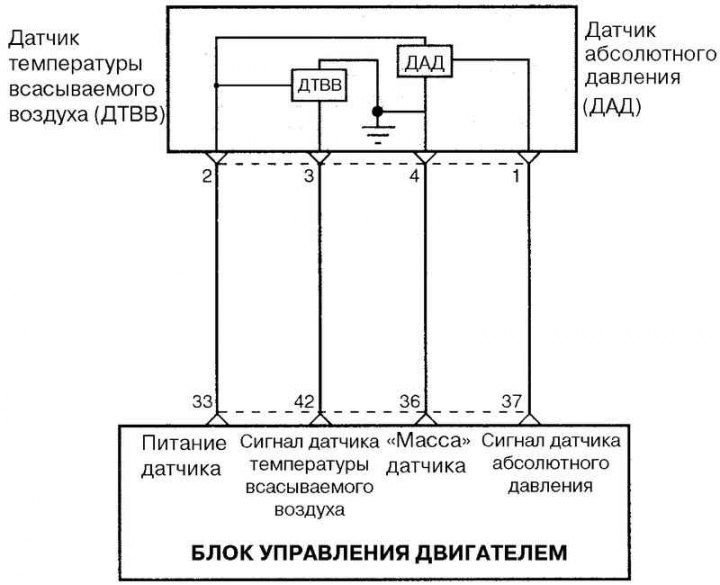
Fig. 2.238. Connection diagram of the absolute pressure sensor with the ECU
Note: The engine warm-up cycle corresponds to a sufficient period of engine operation during which the coolant temperature has increased by at least 4.5°C since the engine was started and reaches a value of at least 70°C.
The driving cycle includes starting the engine and driving the vehicle after the mixture composition is adjusted according to signals from the oxygen sensors.