


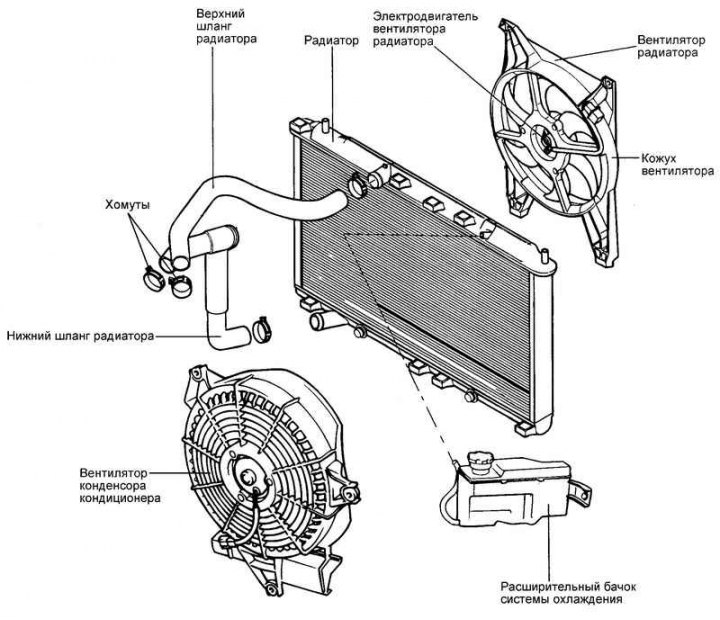
Fig. 2.298. Radiator components
Removal
Disconnect the battery.
Disconnect the radiator fan motor connector.
Remove the radiator drain plug and drain the coolant.
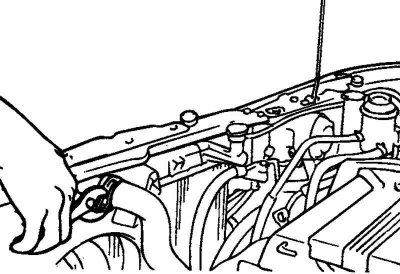
Fig. 2.299. Disconnecting the upper radiator hose
Disconnect the upper and lower radiator hoses and the expansion tank tube (Fig. 2.299).
On models with automatic transmission, disconnect the automatic transmission oil cooler hoses.
Attention! After disconnecting the automatic transmission oil cooler hoses, it is necessary to plug the holes in the hoses, the radiator fittings and the automatic transmission pipes to prevent automatic transmission oil from leaking out and foreign particles from getting inside.
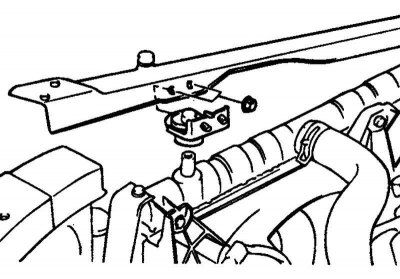
Fig. 2.300. Fastening the upper radiator support
Unscrew the bolt securing the upper radiator support (Fig. 2.300).
Remove the radiator together with the radiator electric fan.
Remove the electric fan from the radiator.
Examination
Check the radiator for bent or damaged fins and for foreign objects between the fins.
If necessary, carefully straighten the finned tubes
Check the radiator for damage and any scale, rust or corrosion deposits.
Check the radiator hoses for cracks, damage or deterioration (wear).
Check the expansion tank for damage.
Check the condition of the automatic transmission cooling system hoses.
Installation
Fill the radiator and expansion tank with clean coolant.
Start the engine and warm it up until the thermostat valve opens. Then turn off the engine.
Remove the radiator cap and add fluid to the base of the radiator filler neck, then add fluid to the expansion tank to the upper mark.
Check for any fluid leaks from the radiator, hoses or connections.