


Replacing the fuse link
In the event of an overload of the electrical circuit, the fuse link burns out, thereby preventing damage to the entire wiring harness. (This can be caused by a short circuit or an excessively high current.) To make it easier to check them, the fuse links are located in the relay block.
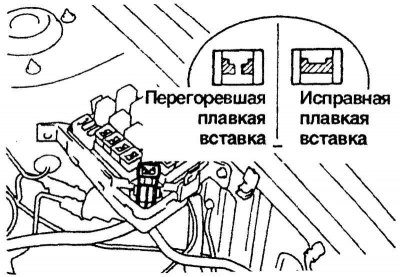
Fig. 1.178. Replacing the fuse link
Caution! When replacing a fuse link, use only a new fuse link with the same or lower rated current. Do not use a wire or fuse link with a higher rated current. This may cause serious damage and cause a fire.
Replacement of fuse links of auxiliary equipment circuits
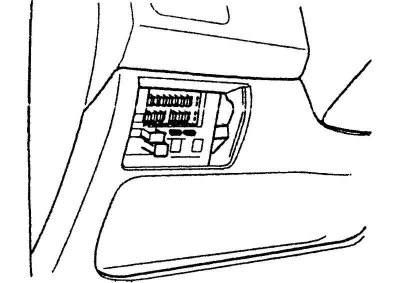
Fig. 1.179. Fuse box
The fuse box protecting the lighting circuits and other electrical equipment is located under the instrument panel opposite the driver's seat (Fig. 1.179).
Inside the block there is a table of protected circuits.
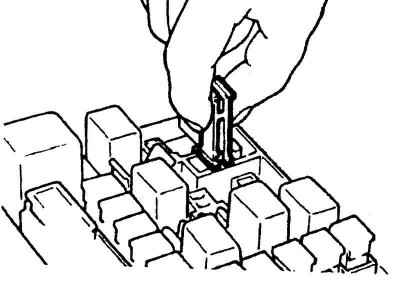
Fig. 1.180. Fuse puller
If any of the car's lights or electrical equipment stops working, the cause may be a blown fuse. If a fuse is blown, the metal strip inside it breaks. To replace a fuse, open the fuse box and check the integrity of each fuse. Remove each fuse by pulling it toward you (there is a special puller in the fuse box to simplify this operation) (Fig. 1.180).
[The basis of the material is information from the website HyundaiBook]
Replace the blown fuse with a new one of the same nominal current value. The fuse must be firmly inserted.
If a spare fuse is not available, you can temporarily install a fuse with the same nominal current value by removing it from the circuit of equipment that can be temporarily dispensed with (for example, a fuse protecting the radio or cigarette lighter circuits). Do not forget to reinsert the removed fuse.
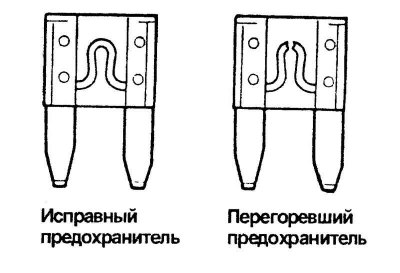
Fig. 1.181. Example of a normal and a blown fuse
Warning! A blown fuse indicates a fault in the electrical circuit. If a recently installed fuse blows again after a short time, you must contact a specialist to identify the cause of the fault and fix it. Never install a fuse with a rated current greater than that specified by technical requirements, or any substitute fuses. This may cause the electrical wiring to overheat and cause a fire.