


Inspection and testing of the drive
Visually inspect for obvious signs of mechanical damage.
Up to 15 cracks per belt rib at a distance of 100 mm are allowed. If cracks exceed the permissible limit or any belt fragments are found to be missing, install a new accessory belt.
Caution: Do not lubricate the accessory drive belt, its tensioner or the idler pulley(s), as this may cause damage to the drive belt material structure, the belt tensioner damping mechanism, the tensioner pulley bearing and the idler pulley(s) bearing.
Small, scattered deposits of rubber crumb do not indicate belt failure and therefore a new accessory drive belt should not be installed.
Extended rubber crumb deposits, occupying up to 50% of the height of the accessory drive belt rib, also do not indicate a malfunction, but this may be the cause of increased noise. If increased noise is present, install a new accessory drive belt.
Large deposits of rubber crumb along the grooves indicate a malfunction, this may be the cause of increased noise and instability of the drive belt. If large deposits or excessive belt noise are evident, install a new accessory drive belt.
[The original material is located on the website hyundaibook.ru]
Check the belt for cracks. If the damage exceeds the permissible limit, install a new accessory drive belt.
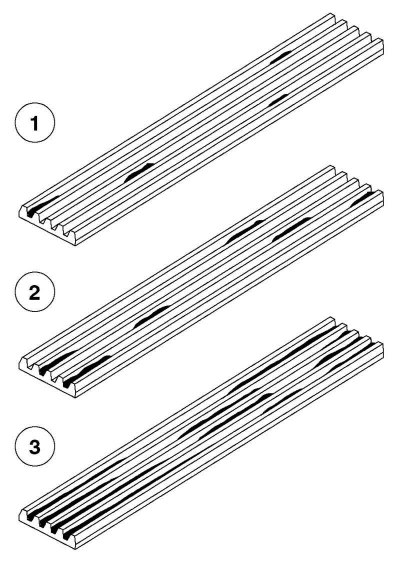
Fig. 2.13. Types of damage to the drive belt of attachments
Check the belt for damage. If there are no large belt fragments, install a new accessory drive belt (Fig. 2.13).
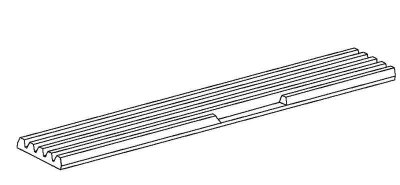
Fig. 2.14. Absence of large fragments of the drive belt of the attachment units