


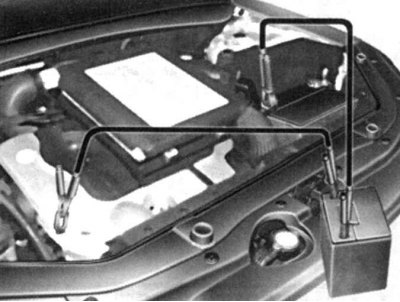
Fig. 1.191. Starting the engine from an external source
The battery used as an additional source must have a nominal voltage of 12 V. If you are not sure of this, you should not use such a battery to start the engine.
To jump start a vehicle with a dead battery, follow the instructions below exactly.
1. If the battery used as an additional source is installed in another vehicle, make sure that the vehicles do not touch each other.
2. Turn off all unnecessary lights and additional equipment on both vehicles.
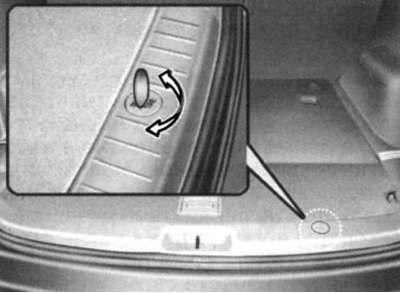
Fig. 1.192. Removing the cover of the mounting bolt
3. Connect the jumper cables to the battery terminals in the order shown in Figure 1.192. First, connect one end of the jumper cable to the positive (+) terminal of the dead battery. Then connect the other end of this cable to the positive (+) terminal of the battery in the other vehicle (used as an additional source). Then, using another jumper cable, connect one end of it to the negative (–) terminal of the battery in the other vehicle (used as an additional source). Then connect the other end of this cable to the engine block of the vehicle with the dead battery, in a location that is as far away from the battery as possible. Do not connect the jumper cable to moving parts of the engine.
4. Start the engine of the vehicle with the battery that is used as an additional source and let the engine idle for a few minutes. This will ensure that the battery is fully charged. During engine starting, maintain the engine speed of the vehicle with the battery used as an additional source of current at 2000 min⁻¹.
5. Start the vehicle using normal engine starting procedures. After the engine starts, do not remove the jumper cables and let the engine idle or run at 2000 rpm for several minutes.
6. Carefully remove the connecting wires in the reverse order of their installation. First remove the connecting cable from the negative terminals, then from the positive ones.