


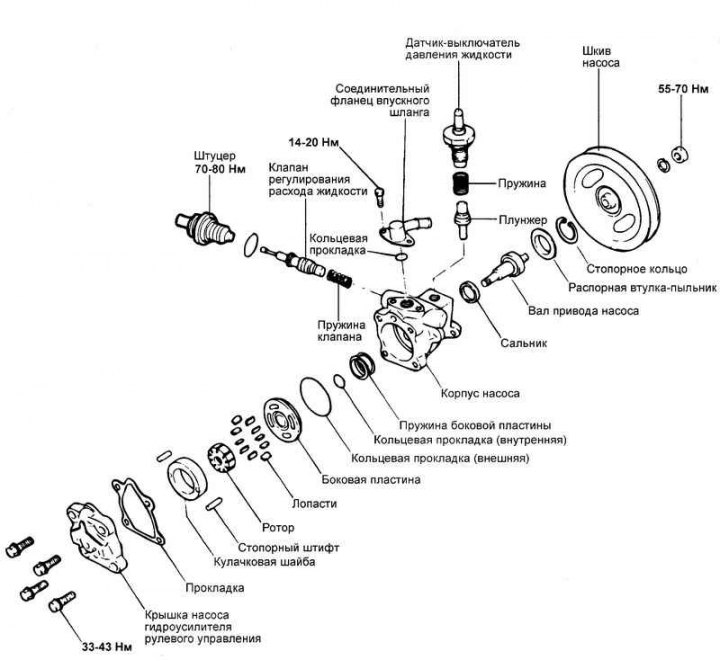
Fig. 5.59. Power steering pump
Removal
Disconnect the pressure hose from the power steering pump.
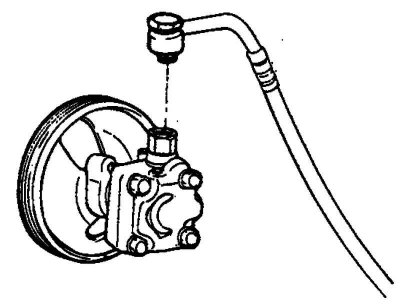
Fig. 5.60. Disconnecting the inlet hose
Disconnect the inlet hose from the connecting flange on the power steering pump and drain the working fluid into a suitable container (Fig. 5.60).
Remove the pump drive belt from the power steering pump pulley.
Completely unscrew the power steering pump mounting bolts and the pump drive belt tension adjustment bolt.
Remove the power steering pump assembly.
Disassembly
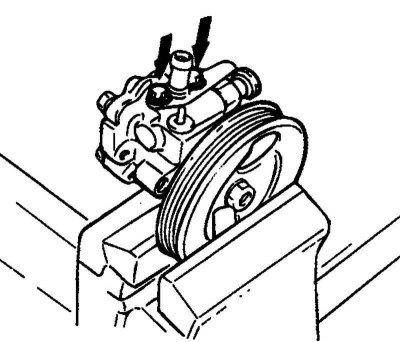
Fig. 5.61. Removing the connecting flange
Remove the inlet hose connecting flange and O-ring from the power steering pump (Fig. 5.61).
Remove the cam washer.
Remove the rotor and blades.
Remove the side plate.
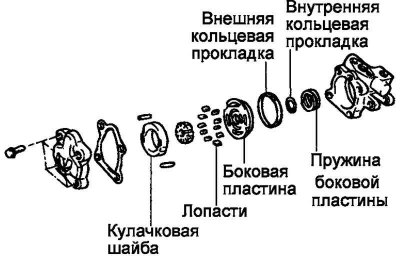
Fig. 5.62. Pump components
Remove the inner and outer O-rings (Fig. 5.62).
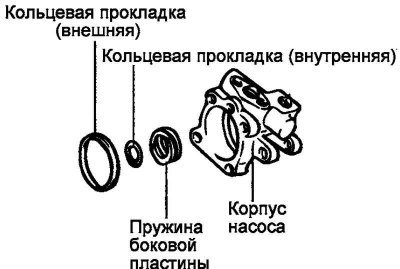
Fig. 5.63. Side plate spring
Remove the side plate spring (Fig. 5.63).
Note: When reassembling the pump, install a new pump cover gasket and new O-rings.
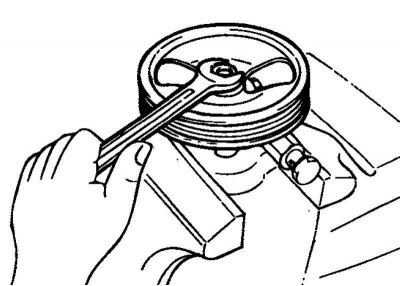
Fig. 5.64. Unscrewing the pump pulley mounting nut
Clamp the pump drive pulley in a vice, unscrew the fastening nut and remove the spring washer (Fig. 5.64).
Remove the pulley from the pump drive shaft.
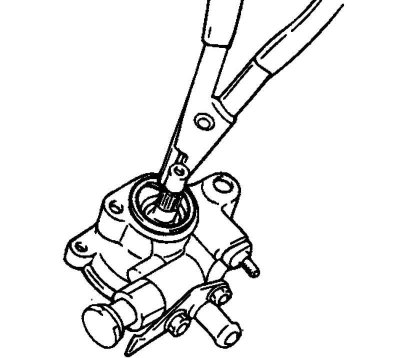
Fig. 5.65. Retaining ring and spacer sleeve-dust cover
Remove the retaining ring using a retaining ring plier, then remove the spacer sleeve-dust cover (Fig. 5.65).
Using light blows from a plastic hammer on the rotor side, knock out the pump drive shaft.
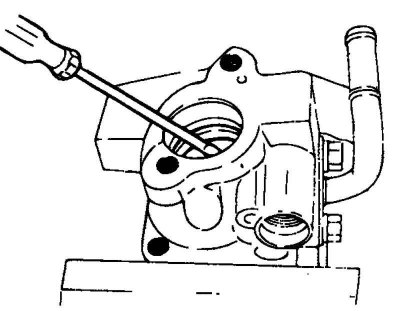
Fig. 5.66. Removing the seal from the power steering pump housing
Using a screwdriver, remove the seal from the power steering pump housing (Fig. 5.66).
Note: Always install a new seal when reassembling the pump.
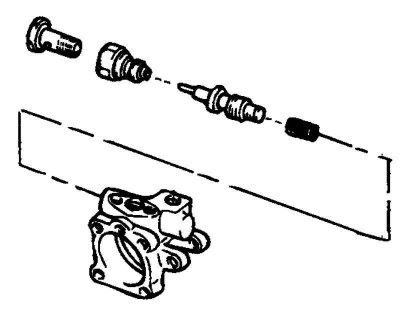
Fig. 5.67. Power steering pump housing nipple
Remove the nipple from the power steering pump housing, then remove the fluid flow control valve and valve spring (Fig. 5.67).
Remove the O-ring from the fitting.
Caution: Do not disassemble the fluid flow control valve.
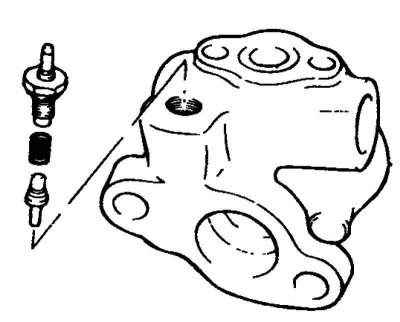
Fig. 5.68. Liquid pressure switch sensor
Remove the fluid pressure switch sensor (Fig. 5.68).
Remove the spring and take out the plunger.
Remove the O-ring from the fluid pressure switch sensor.
Examination
Check the length of the flow control valve spring in a free state (without load).
Valve spring length in free state: 36.5 mm.
Check the fluid flow control valve for deformation (bending).
Check the pump drive shaft for wear or damage.
Check the pump drive belt for wear or deterioration.
Check for "stepped" wear on the rotor blades and slots.
Check for "stepped" wear on the contact surface of the blades and cam washer.
Check the blades for damage.
Check for wear tracks on the side plate or contact areas between the drive shaft and the pump cover.
Assembly
Install the liquid pressure switch.
Install the valve spring, fluid flow control valve and nipple into the power steering pump housing.
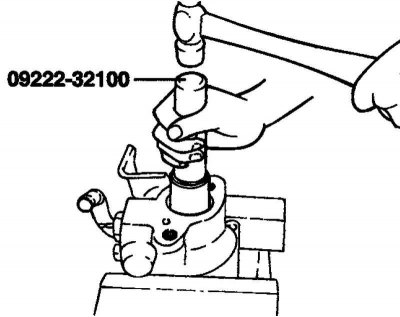
Fig. 5.69. Installing a new seal
Using a special tool, install a new seal into the power steering pump housing (Fig. 5.69).
Insert the pump drive shaft assembly into the power steering pump housing, then install the spacer sleeve-dust seal and retaining ring.
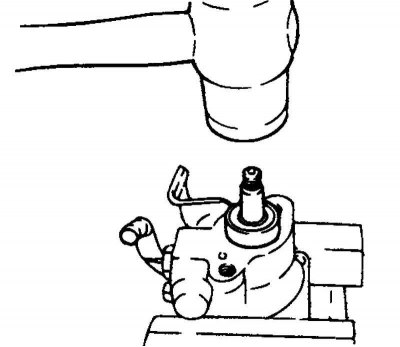
Fig. 5.70. Installing the power steering pump pulley
Install the pulley and woodruff key onto the pump drive shaft (Fig. 5.70).
Install the side plate spring, inner and outer O-rings.
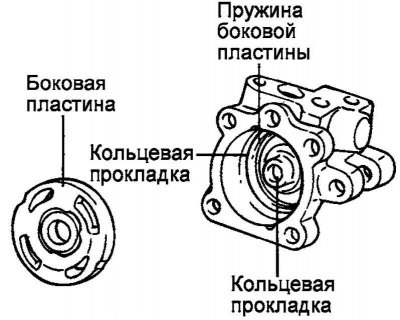
Fig. 5.71. Installing the spring and O-rings
Install the side plate (Fig. 5.71).
Install the lock pins into the holes in the pump body, then install the cam washer, paying particular attention to the correct installation direction.
Install the rotor so that its marked side is facing the side plate.
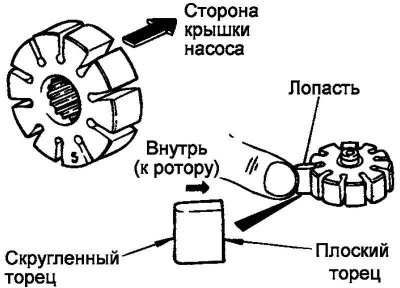
Fig. 5.72. Installing the pump rotor blade
Install the blades so that their rounded ends are on the outside (from the cam washer side) (Fig. 5.72).
Install the gasket and pump cover assembly.
Install the O-ring and the inlet hose connecting flange.
Installation
After installing the bracket and pump, place the drive belt on the pump pulley and adjust its tension. Tighten the tension adjustment bolt to the specified torque.
Tightening torque: 35–50 Nm.
Connect the inlet hose.
Tighten the pressure hose fastening to the power steering pump.
Note: When installing the pressure hose, make sure it is not kinked or has any possibility of contact with other parts of the vehicle.
Fill the power steering system with the recommended PSF-3 power steering fluid.
Bleed the power steering hydraulic system.
Check the power steering pump pressure.