


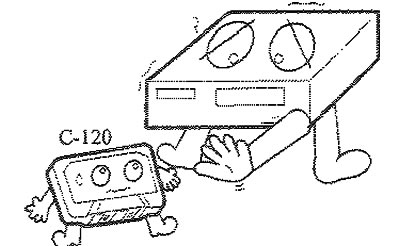
Proper handling of your cassettes will prolong their life. Avoid direct exposure of the cassette to sunlight, extreme cold and extreme humidity. When not in use, store the cassette in its original case. Allow the temperature to return to normal before playing cassettes in very cold or hot temperatures.
Do not leave the cassette inside the radio when not in use. This may damage the cassette and radio.
We strongly recommend using only C-60 cassettes (with a total playback time of 60 minutes). C-120 or C-180 cassettes have a very thin tape and cannot work well with car equipment.
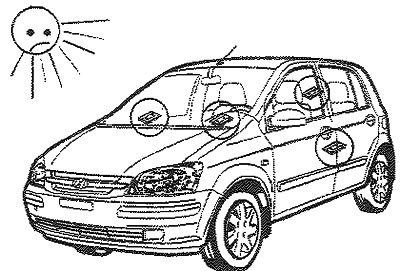
Make sure that the sticker on the cassette does not peel off, otherwise it may make it difficult to remove the cassette.
Do not touch the tape of the cassette tape.
[This publication is based on information from the portal: www.hyundaibook.ru]
Do not expose tapes or tape recorders to magnetic objects such as electric motors, speakers or transformers.
Store cassettes in a cool, dry place, open side down to prevent dust from getting inside the cassette.
Avoid rewinding the tape repeatedly while listening to one section of the tape. This can cause the tape to become loose, which can degrade the audio quality. If this happens, try rewinding the tape quickly from end to end several times. If this does not help, do not use the tape in your car any more.
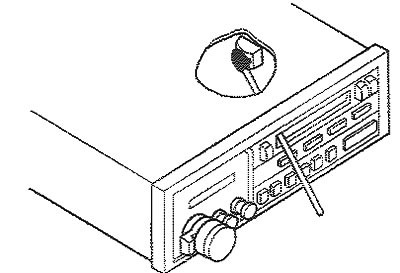
1 - Sound head
2 - Cotton folder
The playback head and tension rollers will develop a coating of tape residue, which can cause sound quality problems such as hissing. They should be cleaned monthly using commercially available cleaning cassettes or a special solution available from audio specialist shops. Follow the supplier's instructions and do not oil any parts of the radio.
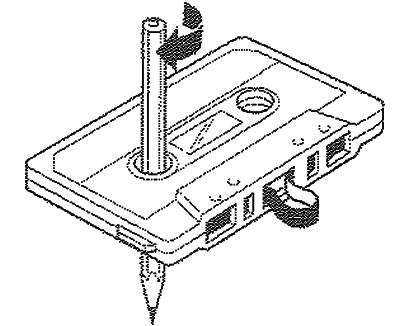
Before inserting the cassette, make sure the tape is tight in the cassette. Use a pencil to remove any slack in the tape.
Note:
- Before inserting the cassette, inspect it.
- If the tape is not tight, remove the slack using a pencil or your finger. If the label on the cassette is peeling off, do not insert the cassette into the radio. The tape of such a cassette may be crushed by the drive mechanism when you try to eject the cassette.
- Do not leave cassettes in places where they will be exposed to high temperatures or high humidity, such as on the front panel or inside the radio.
- If the cassette has been exposed to extreme heat or cold, allow it to cool or warm up before using it.