


Contents: Installation on the center place of…⇓ Installation on the back seat near…⇓ Using a child restraint with an…⇓ Location of attachment points ⇓ Installing a child restraint device ⇓
When transporting children in a car, they should always be placed in the back seat and secured to minimise the risk of injury in the event of an accident, sudden braking or turning. Accident statistics show that children who are properly restrained are less likely to be injured in the back seat than in the front seat. Older children should be secured with the seat belts provided in the car. In most countries, the law requires that young children be transported in a child restraint system (a child seat). In the event of an accident, children can be injured if their child restraint system (a child seat) is not properly secured. A baby cot or booster seat should be used to transport infants and young children. Before purchasing a child seat (or "carrycot"), check that it fits securely in the back seat and is compatible with the seat belts in place and that it is the correct size for the child. Install the restraint device (child seat) in accordance with the manufacturer's instructions.
Installation on the center place of the rear seat
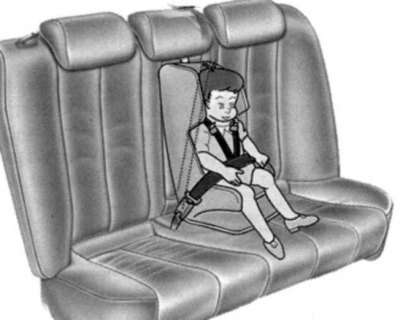
Fig. 1.165. Installing a child seat
Secure the child seat using the center belt as shown in Figure 1.165. After installation, rock it back and forth and left and right to make sure it is securely fastened.
If the child seat is not secured, adjust the length of the belt. Then insert the locking hook (if available) into the buckle and tighten it to secure the seat. Always read the child seat manufacturer's instructions carefully before installing it in your vehicle.
Installation on the back seat near the door
To install a child seat in the rear seat by the door, pull the lap belt out of the retractor. Install the child restraint (child seat), fasten the seat belt and wait for the belt to take up slack (until the slack in the seat belt is eliminated). Make sure the lap portion of the belt fits snugly around the child restraint (child seat) and the shoulder portion of the seat belt cannot touch the child's head or neck area. Once the child restraint is installed, try moving it from side to side to make sure it is securely fastened.
Note: Before installing a child restraint device (child seat), carefully read the instructions provided by the manufacturer of that device.
Using a child restraint with an anchor system
When transporting infants and small children, it is strongly recommended to use a child seat. Such a restraint device (child seat) must be appropriate for the height and weight of the child and installed correctly in accordance with the instructions of the manufacturer of this device.
Location of attachment points
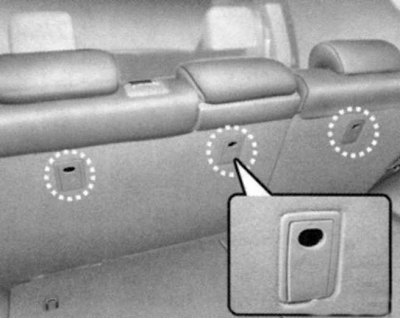
Fig. 1.166. Location of attachment points
The holders for the child restraint system (child seat) are located in the back of the rear seat (Fig. 1.166).
This symbol on the decorative caps indicates the location of each of the holders.
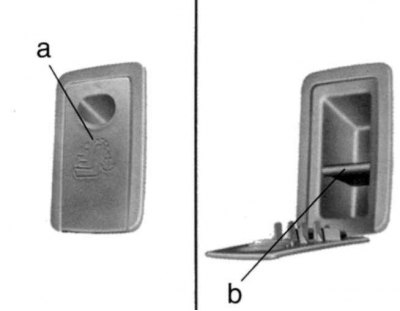
Fig. 1.167. Anchor fastening elements: a – anchor fastening plugs; b – bracket for attaching a child seat
(Material was obtained from an official resource: HyundaiBook.ru)
Installing a child restraint device
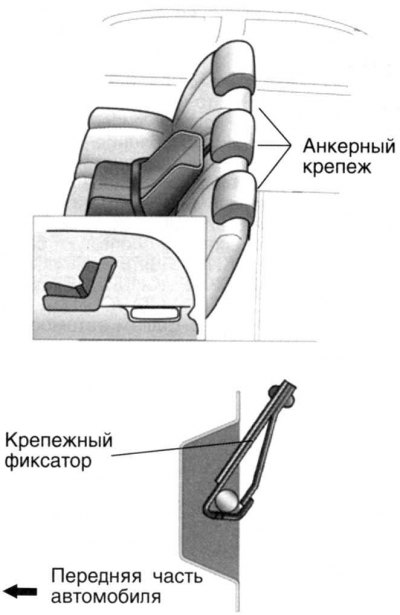
Fig. 1.168. Preparing the anchor fastening
Open the anchor cap of the child restraint device (child seat) (Fig. 1.168).
Install a child restraint system (child seat) in the rear seat of the vehicle.
On vehicles equipped with adjustable head restraints, route the tie-down strap along the back of the rear seat under the head restraint.
Attach the hook of the mounting strap to the anchor bracket and pull the strap to securely attach the hook to the bracket.