


Contents: Disassembling the connecting rod cap ⇓ Disassembly and assembly of the…⇓ Checking the piston and piston pin ⇓ Checking piston rings ⇓ Assembly ⇓
Disassembling the connecting rod cap
Caution! Arrange the removed parts (connecting rods, connecting rod caps, connecting rod bearing shells) in the order of their cylinder numbers to ensure proper subsequent assembly.
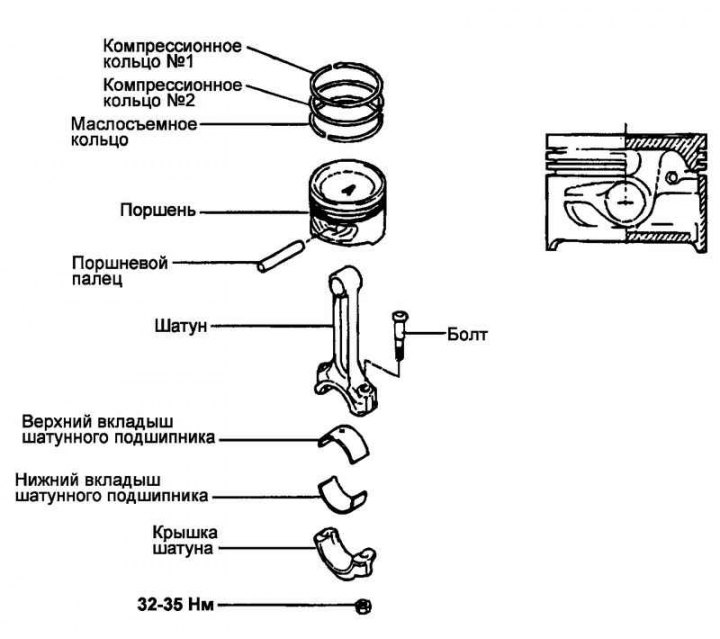
Fig. 2.71. Piston and connecting rod components
Loosen the connecting rod cap mounting bolts, then remove the connecting rod cap and the lower connecting rod bearing shell.
Push the piston and connecting rod assembly out of the cylinder block towards the cylinder head gasket surface.
Disassembly and assembly of the piston and connecting rod unit (removal and installation of the piston pin)
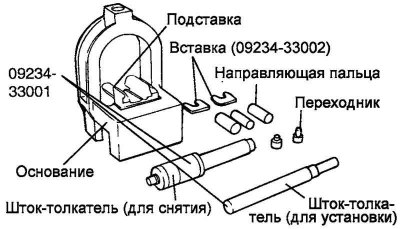
Fig. 2.72. Disassembling the piston-connecting rod assembly
Using special tools (09234-33001 and 09234-33002), disassemble and assemble the piston and connecting rod unit (Fig. 2.72).
The piston pin is pressed into the upper head of the connecting rod, and the piston slides on it.
The special tool kit consists of a base with a stand and inserts, guides, adapters, a push rod for removal and a push rod for installation. When removing or installing the piston pin, the piston is held on the base of the device. The guide devices facilitate the positioning of the piston pin during its removal and installation, when the connecting rod rests on the stand inserts.
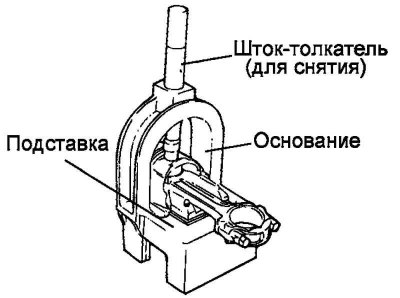
Fig. 2.73. Removing a finger using a press
To remove the piston pin, place the piston on the base and position the connecting rod on the support insert. Insert the push rod (for removal) through the arc of the upper part of the base into the piston pin and remove the pin using a press (Fig. 2.73).
When installing a new pin, it is necessary to install the appropriate support insert to support the connecting rod.
Position the connecting rod small end inside the piston. On one side of the piston, insert the appropriate guide through the piston and connecting rod, then push the guide down slightly by hand so that it is held by the piston. On the other side of the piston, insert the piston pin and place the piston and connecting rod together on the base of the tool with the pin guide facing down.
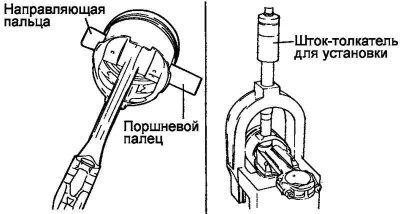
Fig. 2.74. Connecting rod centering guide
Note: The guide is necessary to center the connecting rod relative to the piston bosses. If the assembly is done correctly, the pin guide will be exactly centered in the arc hole of the upper part of the base and touch the support insert. If the wrong size pin guide is used, the piston (and connecting rod) and the piston pin will not be in line with the base hole (Fig. 2.74).
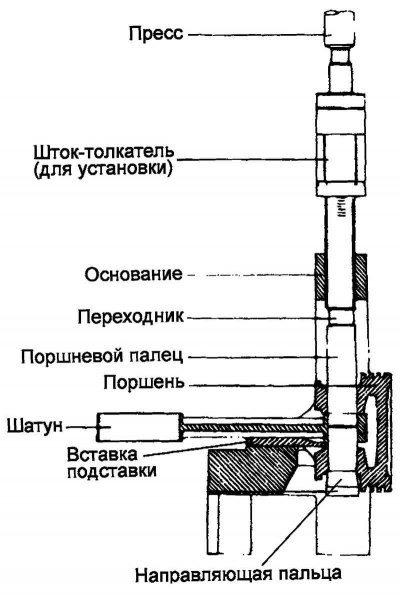
Fig. 2.75. Diagram of pressing the pin into the piston and the upper head of the connecting rod
Insert the push rod (for installation) through the hole in the arc of the upper part of the base until it stops in the adapter on the piston pin and, using a hydraulic press, drive the pin into the piston and the upper head of the connecting rod. Continue pressing until the pin guide falls from the bottom of the base and the push rod rests against the arc of the upper part of the base (Fig. 2.75).
Attention! Do not exceed the force of 12500±5000 N when pressing in the piston pin at the moment when the push rod rests against the arc of the upper part of the base.
Checking the piston and piston pin
Check each piston for scratches, nicks, wear, and other defects. Replace the piston if defects are present.
Check each piston ring for breaks, damage or significant wear. Replace any defective rings. If a piston needs to be replaced, replace its piston rings at the same time.
Make sure the piston pin fits into the piston bosses. Replace the piston and piston pin as a set if there are any defects. At room temperature, the piston pin should easily fit into the piston bore under hand pressure.
Checking piston rings
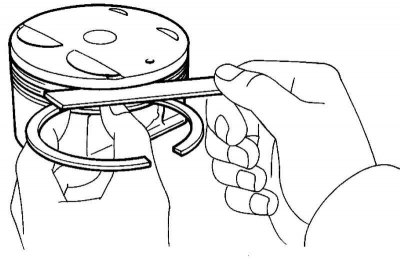
Fig. 2.76. Checking the end clearance of the compression ring
Measure the gap between the compression ring and the piston groove (Fig. 2.76).
If the measured clearance exceeds the maximum allowable value, install a new piston ring and re-measure the clearance. If the measured clearance again exceeds the maximum allowable value, replace the piston and rings as an assembly. If the measured clearance is less than the maximum allowable value, replace only the piston rings.
The piston ring to piston groove clearance values are shown below.
Nominal value:
- compression ring No.1 - 0.04–0.085 mm;
- compression ring No.2 - 0.04–0.085 mm.
Maximum permissible value:
- compression ring no. 1 - 0.1 mm;
- compression ring No.2 - 0.1 mm.
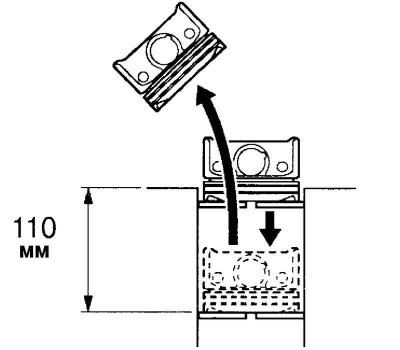
Fig. 2.77. Checking the gap in the piston ring lock
To measure the gap in the piston ring lock, install the piston ring into the cylinder bore (Fig. 2.77).
Position the ring at right angles to the cylinder wall generatrix, carefully moving it downwards with the piston.
Measure the gap in the ring lock with a flat feeler gauge (Fig. 2.78).
If the measured clearance exceeds the maximum permissible value, replace the piston ring.
The piston ring gap values are given below.
Nominal value:
- compression ring No.1 - 0.20–0.35 mm;
- compression ring #2 - 0.30–0.45 mm;
- oil scraper ring - 0.2–0.7 mm.
Maximum permissible value:
- compression rings No.1 and No.2 - 1.0 mm;
- oil scraper ring - 1.0 mm.
When replacing piston rings without boring the cylinders to the repair size, check the gap in the ring lock at a point located at the bottom of the cylinder (zone of least wear).
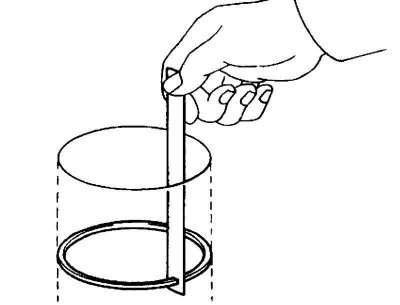
Fig. 2.78. Measuring the gap in the piston ring lock
Note: The repair size identification mark is located on the top of the piston ring near the ring joint.
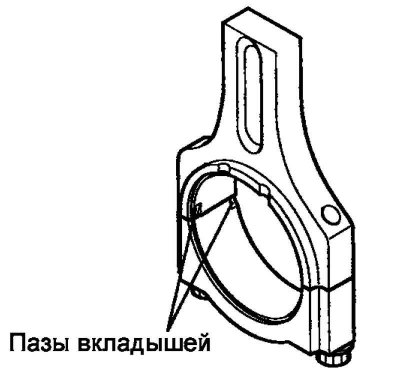
Fig. 2.79. Grooves of liners in the connecting rod cap and connecting rod
When installing the connecting rod cap, make sure that the cylinder number marks (made during disassembly) on the connecting rod and connecting rod cap match. When installing a new connecting rod, make sure that the locking grooves of the liners in the connecting rod cap and connecting rod are located on the same side (Fig. 2.79).
Replace the connecting rod if there is damage to the end surface of the upper or lower heads. If there is bending or twisting of the connecting rod or the surface of the piston pin hole in the upper head of the connecting rod is significantly worn, replace the connecting rod.
Assembly
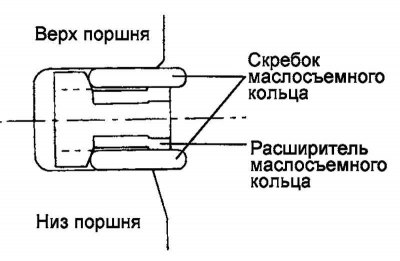
Fig. 2.80. Installing the oil scraper ring expander
Install the oil scraper ring expander (Fig. 2.80).
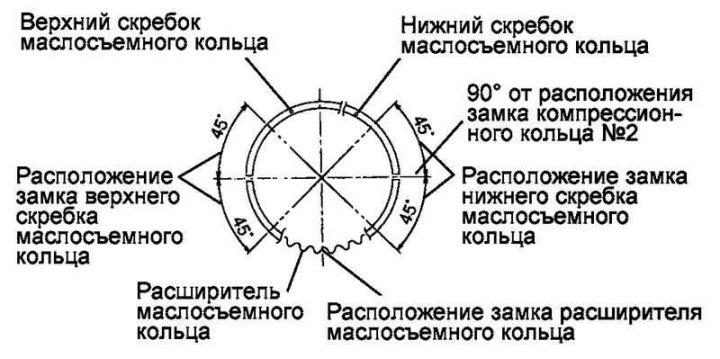
Fig. 2.81. Installation diagram of the upper scraper of the oil scraper ring
Install the upper oil scraper ring. To install the scraper, first place one end of the scraper between the expander and the piston groove, then hold the end of the scraper and press the scraper with your finger to insert it into the groove, as shown in Figure 2.81.
Caution: Do not use a piston ring expander when installing oil ring scrapers.
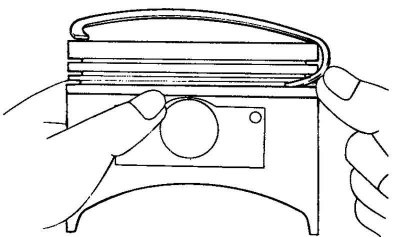
Fig. 2.82. Installing the lower scraper of the oil scraper ring
Install the lower oil scraper ring according to the previous procedure (Fig. 2.82).
Apply engine oil to the piston and piston ring grooves all the way around.
Using a piston ring expander, install compression ring #2.
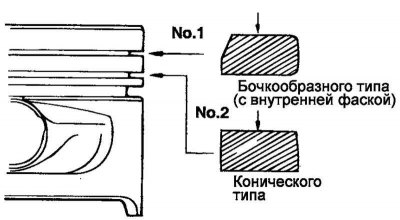
Fig. 2.83. Installation diagram of compression ring No.1
Install compression ring No.1 (Fig. 2.83).
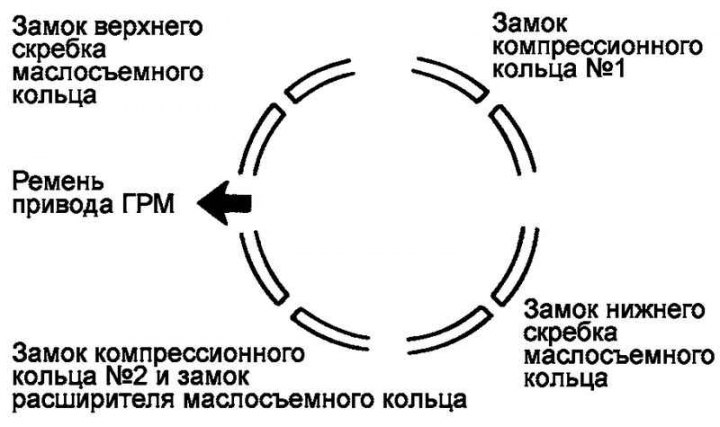
Fig. 2.84. Compression ring lock diagram
Place the ring locks as far apart as possible. Make sure that the lock of any ring is not on the piston pin axis or in a direction perpendicular to this axis (Fig. 2.84).
Using a special tool, securely fix the piston rings on the piston before installing the piston assembly into the cylinder.
Install the upper main bearing shells into the cylinder block.
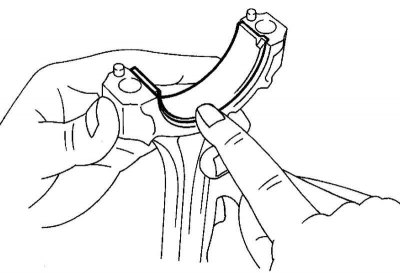
Fig. 2.85. Installing the lower main bearing shell into the connecting rod cap
Install the lower main bearing shells into the connecting rod caps (Fig. 2.85).
When installing, make sure that the "front" mark on the piston and the "front" identification mark on the connecting rod are facing the front of the engine (towards the timing belt).
When installing a new connecting rod, make sure that the bearing retaining grooves on the connecting rod and connecting rod cap are located on the same side.
When assembling, the connecting rod cap bolts should be tightened using the angular tightening method as follows:
- apply oil to the threads of the mounting nuts and the contact points of the connecting rod nuts and bolts;
- tighten the connecting rod cap bolts to the specified torque.
Tightening torque of connecting rod cap nuts: 32–35 N·m.
Caution! Do not reinstall used (removed during disassembly) connecting rod cap bolts.
Caution: When installing new connecting rod cap bolts, do not tighten them more than three times.
Check the side clearance between the lower head of the connecting rod and the corresponding web of the crankshaft.
Lower connecting rod end side clearance:
- nominal value - 0.1–0.25 mm;
- the maximum permissible value is 0.4 mm.
Install the oil pick-up.
Install the oil pan.
Install the cylinder head.